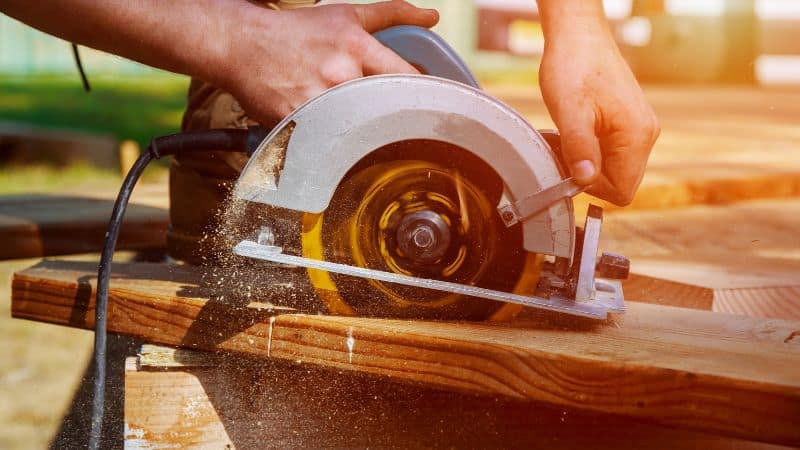
Taking care of your circular saw is key if you want it to last and cut accurately. Whether you are a hobbyist or a professional, regular maintenance makes a real difference in how well your saw works and how safe you are while using it. Let your circular saw maintenance slide, and you can expect deteriorating cut quality and compromised safety.
This article will introduce the basic definition of circular saws, their working principles, and essential maintenance tips.
What Is a Circular Saw?
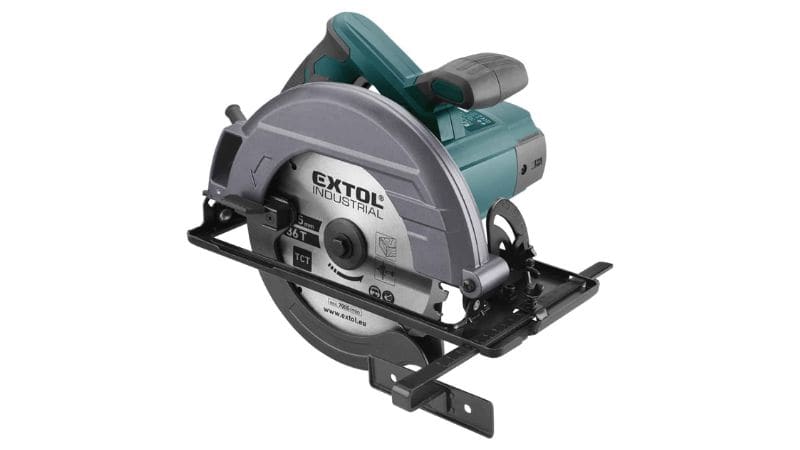
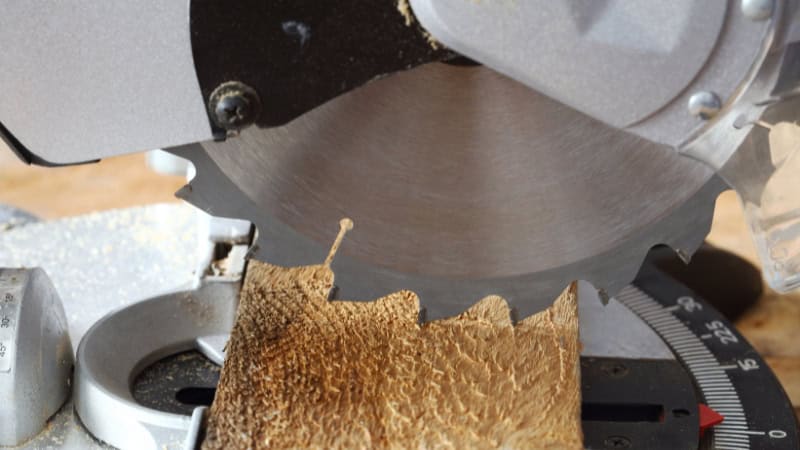
A circular saw is a power tool used for cutting wood, metal, plastic, and other materials. It uses a round, flat blade with sharp teeth that spins quickly to make straight cuts.
You can use a circular saw to cut through materials quickly and easily. It is common on construction sites and for home projects.
There are two main types of circular saws:
- Handheld circular saws
These are portable and easy to move around. - Table-mounted circular saws
These are fixed on a table for making more precise cuts.
Some key parts of a circular saw include:
| Part | Description |
|---|---|
| Blade | The spinning disc that cuts materials |
| Guard | Covers the blade for safety |
| Motor | Powers the spinning blade |
| Handle | Helps you guide and control the saw |
| Base plate (shoe) | Rests against the material for support |
Circular saws come in various sizes. The size is usually based on the diameter of the blade. Most common sizes range from 6 inches to 7 1/4 inches.
Always follow safety instructions when using a circular saw. Wear protective gear and keep fingers away from the blade.
How Does a Circular Saw Work?
A circular saw uses a round, toothed blade to cut wood, plastic, or even metal. The blade spins at high speed, letting you cut through materials quickly and with control.
Using Your Saw:
- You hold the saw’s handle, guide it along your marked line, and let the blade do the work. Most circular saws have a base plate that rests on your material to keep your cuts straight and stable.
Power & Control:
- The saw’s powerful motor spins the blade, and you control the speed using a trigger switch. There is usually a safety guard covering the blade. This guard moves out of the way as you start a cut and snaps back to cover the blade when finished.
Most saws can be adjusted for cutting depth and angle. You can change the angle to make beveled cuts and set the depth to match your material’s thickness.
Circular saws are used mainly for straight cuts, known as “crosscuts” and “rip cuts.” They are common in carpentry, woodworking, and DIY projects.
What Are the Proper Maintenance Tips For a Circular Saw?
A well-maintained circular saw will last longer, perform better, and provide protection against dangerous malfunctions. Paying attention to cleaning, blade care, lubrication, and storage can prevent most problems.
Clean the Circular Saw Regularly
Dust and debris can build up around the blade, vents, and motor. After every use, unplug your saw and wipe it down with a dry cloth. Use a small brush to clear inside tight spots, like air vents and around the blade guard.
Never use water near electrical parts. For stubborn debris, you can use a vacuum or compressed air. Check the power cord and handle for stuck dust, which can affect grip and safety.
Regular cleaning keeps the saw running smoothly and helps you spot other problems early.
Inspect the Circular Saw Blade
A dull or damaged saw blade can make the saw work harder and may cause rough cuts. Before each use, check for dull spots, warping, missing teeth, or rust. If you find any of these issues, replace or sharpen the blade.
Look for resin or sap buildup that can cause the blade to overheat. Clean blades cut more accurately and reduce the risk of kickback.
If you see chips or cracks, stop and replace the blade to avoid injury.
Lubricate Moving Parts
Smooth operation is important for both performance and operating safely. Apply a small amount of oil to moving parts like the blade guard, depth adjustment, and any pivot points. Only use lubricants recommended by the manufacturer.
Avoid getting oil on the blade or other cutting surfaces. Wipe off any extra lubricant to keep sawdust from sticking. If your saw feels stiff or sticks when you adjust it, more lubrication may be needed.
Proper lubrication helps prevent rust and makes adjustments easier. It also extends the life of your tool.
Storage Tips
Where you store your circular saw matters. Keep it in a dry, cool place, away from moisture to prevent rust. Always unplug the saw before storing. Use a case or cover if you have one to protect it from dust.
Do not leave the saw on the floor or in damp spaces where water could damage electrical parts. Store the saw blade separately if possible, or lower the blade guard to cover it.
Proper storage reduces wear and helps ensure your circular saw works when you need it.
Frequently Asked Questions
How do I properly maintain the blade of a circular saw?
Clean the blade after each use to remove sap, dust, and debris. Check for missing or chipped teeth. Replace or sharpen the blade if it becomes dull. Always use the correct blade for the material you are cutting.
What safety checks should be performed before operating a circular saw?
Inspect the power cord for damage or fraying. Confirm that the blade is tightly attached and free of defects. Check the safety guard to make sure it moves freely and covers the blade properly.
How often should the motor and components of a circular saw be serviced?
For frequent use, inspect and clean the motor vents every few months. Lubricate gears following the manufacturer’s guidelines, usually every few months or sooner if the saw is used heavily or in dusty conditions. Replace worn brushes as needed to maintain performance.
What are the guidelines for replacing or sharpening circular saw blades?
Replace the blade when it becomes dull, warped, or missing teeth. Sharpen the blade only if you have the proper tools and skills; otherwise, take it to a professional. Always unplug the saw before removing or installing a blade.