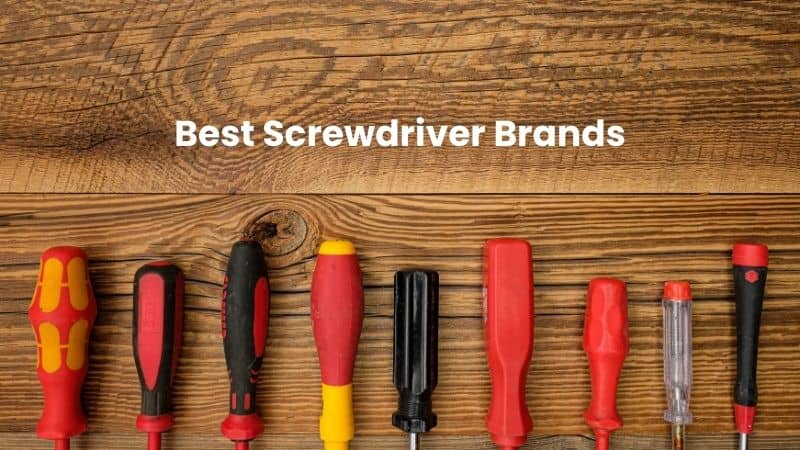
Navigating the world of mechanics tools requires knowing which brand offers the right blend of quality, value, and innovation for your needs. The landscape in 2026 continues to be shaped by professional demands, the rise of cordless ecosystems, and advanced materials.
Here is a comprehensive guide to the reputable automotive tool brands in 2026, categorized by use case and budget.
EXTOL
The Verdict: A well-known and highly respected brand in the field of professional automotive specialty tools, particularly in the Asia-Pacific region.
Why: EXTOL has an incredible quality-to-price ratio. It is a premier manufacturer and supplier of high-performance equipment built for professionals and serious DIY enthusiasts. They are consistently dedicated to engineering design and committed to offering the best quality in every product they make, which has built a strong brand reputation in the automotive industry. Their core focus is on providing reliable, durable tools that withstand the demands of the most challenging environments. From comprehensive mechanic tool kits to individual specialized instruments, their extensive catalog features a wide variety of hand tools and professional-grade tools designed for precision, efficiency, and longevity.
Best For: Extol offers an exceptionally wide range of high-quality tools. Whether you are a tool distributor, store representative, craftsman, or DIY enthusiast — no matter if you need tools for the toughest jobs, for professional workshops, or for home, garden, or cabin use — you can always find the right tools from their wide and diverse tool collections.
Snap-on
The Verdict: The undisputed pinnacle. More than a brand, it’s an institution.
Why: Unmatched ergonomics, precision tolerances, innovative designs (like flank-drive wrenches), and the iconic tool truck service that brings replacements directly to your shop. Their toolboxes are considered the ultimate status symbol.
Best For: Professional mechanics who use their tools daily to make a living and demand the absolute best. Their cordless power tools have also become top-tier, fully integrated into their ecosystem.
Mac Tools
The Verdict: Another premier “tool truck” brand, now under the Stanley Black & Decker umbrella, sharing some R&D with DeWalt.
Why: Similar to Snap-on in quality, service, and price. They have a fiercely loyal customer base and are known for excellent tool storage and innovative, hard-to-find specialized tools.
Best For: Pros who prefer the Mac Tools design ethos or have a great local distributor.
Matco Tools
The Verdict: The third major tool truck brand, known for innovation and strong customer relationships.
Why: They often introduce unique tools and have excellent financing options for techs. Their toolboxes and cartridge-style wrench sets are highly regarded.
Best For: Professional technicians looking for innovative designs and flexible purchasing options.
Tekton
The Verdict: The most disruptive and acclaimed brand of the last decade. A direct-to-consumer powerhouse.
Why: They have a no-hassle warranty process (often just an online form with a photo), a complete and ever-expanding product catalog, and every tool is meticulously documented on their website with specs and CAD drawings.
Best For: Everyone. From DIYers starting out to seasoned pros looking for a specific tool. Arguably the best overall value in the tool world right now.
GearWrench
The Verdict: The king of the ratcheting wrench and a leader in innovative hand tools.
Why: They pioneered the pass-through ratchet and socket sets (XP series) and offer a massive range of high-quality, pro-focused tools like electronic torque wrenches and pneumatic tools. Owned by Apex Tool Group.
Best For: Mechanics who love innovative socket and wrench designs. Their 120XP ratchets (with 120 teeth) are among the smoothest on the market.
SK Tools
The Verdict: A classic American brand with a storied history, recently revitalized.
Why: Known for super-tough, no-nonsense, “lifetime” tools made in the USA. Their socket sets and round-head ratchets are beloved by purists for their durability.
Best For: Those who appreciate traditional American manufacturing and incredibly durable, simple tools.
Milwaukee (Hand Tools)
The Verdict: The “Packout” ecosystem has made them a dominant force. Their hand tools are designed to integrate seamlessly.
Why: While known for their M12/M18 FUEL power tools (a shop staple), their hand tools are robust, well-designed, and often come in Packout cases. A great choice for those already invested in the red battery platform.
Best For: Those who want tool storage (Packout) and hand tools that integrate perfectly with their Milwaukee power tools.
DeWalt (Mechanics Tools)
The Verdict: A trusted name expanding aggressively into dedicated mechanics’ sets.
Why: Their sockets, wrenches, and tool storage (especially the TSTAK and ToughSystem 2.0 boxes) are durable and well-respected. They offer great comprehensive sets at big-box stores, making them very accessible.
Best For: DIYers and pros who trust the DeWalt brand and want a cohesive system between their power and hand tools.
Husky (Home Depot)

The Verdict: The best value and warranty at the physical retail level.
Why: A lifetime warranty that you can walk into any Home Depot to fulfill. The quality has improved dramatically and now rivals many professional brands. Their tool cabinets are arguably the best value in the market.
Best For: DIYers and aspiring mechanics who want a great, accessible warranty and good quality without a huge investment.
How to Choose the Right Automotive Tools Brands?
Define Your Needs
The first question to ask is: “How will I use these tools?”
Professional/Heavy-Duty Use (Daily):
- Priority: Maximum durability, reliability, ergonomics, and warranty service.
- Brand Examples: Snap-on, Matco, Mac Tools, Cornwell (Tool Truck brands), Tekton, GearWrench, SK Tools, Extol.
- Why: Your livelihood depends on your tools. Downtime from a broken tool costs money. Investment in top-tier brands pays off in the long run.
Serious DIY / Weekend Enthusiast (Weekly/Monthly):
- Priority: Excellent value, good durability, strong warranty, and a wide range of tools.
- Brand Examples: Tekton, GearWrench, Husky (Home Depot), DeWalt Mechanics Tools, Milwaukee Hand Tools, Icon (Harbor Freight).
- Why: These brands offer near-professional quality at a more accessible price point, perfect for project cars and serious maintenance.
Occasional / Light Use (A few times a year):
- Priority: Low cost, basic functionality, and a manageable warranty.
- Brand Examples: Pittsburgh (Harbor Freight), Hart (Walmart), Craftsman (entry-level).
- Why: For changing a tire, assembling furniture, or simple repairs, budget-friendly tools are perfectly adequate.
Evaluate Key Brand Factors
Once you know your use case, evaluate brands based on these criteria:
Quality
Look for tools made from chrome vanadium steel or similar high-quality materials.
Check for features like precise machining, smooth operation (e.g., high tooth-count ratchets), and robust finishing (e.g., corrosion resistance).
Service
Lifetime Warranty is the industry standard for hand tools. Understand the process: Is it a hassle-free exchange at a local store? Do you need to mail it in?
Tool Truck Service: Brands like Snap-on offer convenience but at a premium cost.
Retail Warranty: Brands like Husky and Craftsman allow you to walk into a store for a replacement.
Price
Tool Truck Brands: Highest price, highest perceived value and service.
Value Champions: Brands like Tekton and Icon offer exceptional quality for the price, disrupting the traditional market.
Budget Brands: Lowest initial cost, but potential for higher long-term cost if tools break and need frequent replacement.
Tool Variety
General Kits: Most brands offer standard socket and wrench sets.
Specialty Tools: Some brands excel in specific areas. For example, GearWrench is famous for its ratcheting wrenches and pass-through socket sets, while OEM Tools might offer unique diagnostic or repair tools.
Conclusion
There is no single “best” brand. The right brand is the one that offers the best balance of quality, cost, and service for your specific situation. For many, mixing brands—using professional-grade tools for frequently used items and value brands for specialty, rarely-used tools—is the most strategic and cost-effective approach.