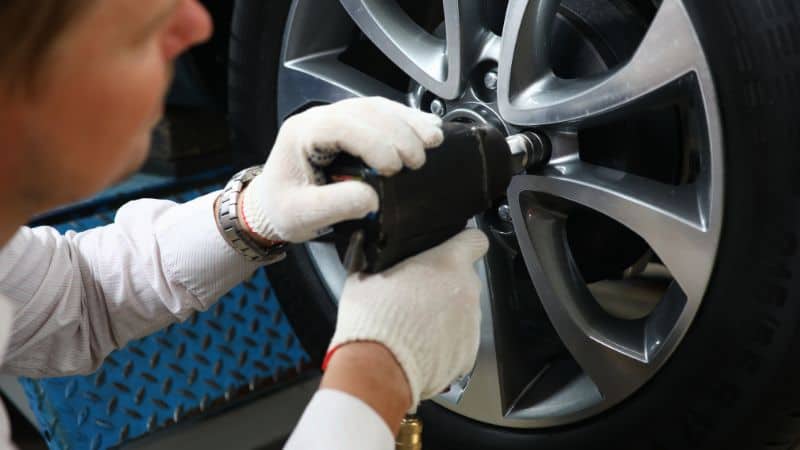
For tackling tough jobs, choosing an appropriate impact wrench is crucial. Air and electric impact wrenches each have their unique advantages, making them popular choices among DIY enthusiasts and professionals alike. But how do you decide which one fits your needs best?
Air impact wrenches are known for their power and durability, ideal for heavy-duty tasks. On the other hand, electric impact wrenches offer convenience and ease of use, perfect for lighter applications. Understanding the differences between these two tools can help you make an informed decision, ensuring you get the job done efficiently and effectively.
A Brief Introduction to Impact Wrenches
Impact wrenches are powerful tools designed for fastening and loosening bolts, nuts, and various fasteners quickly and efficiently. These tools generate a significant amount of torque, enabling you to tackle tasks that require substantial force with minimal effort. Impact wrenches fall into two primary categories: electric and air impact wrenches.
Before deciding on your tool, it is crucial to understand the differences between these two types. With this knowledge, you will be able to more accurately determine which one better suits your specific work needs. The following section will provide a detailed introduction to pneumatic impact wrenches and electric impact wrenches.
What Are Electric Impact Wrenches?
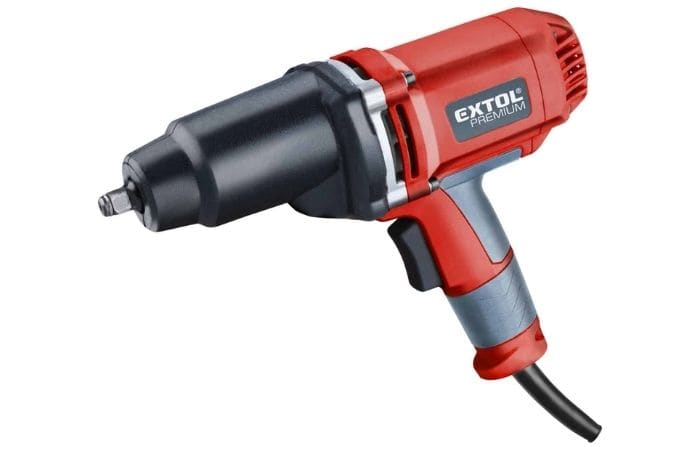
Electric impact wrenches are powerful tools that provide high torque output for fastening and loosening fasteners. They’re ideal for a variety of applications, especially in DIY projects and household repairs.
Electric impact wrenches are divided into two categories: cordless and corded. Among them, cordless electric impact wrenches are the most widely used and recommended type. In modern usage, “electric impact wrench” and “cordless impact wrench” are often used interchangeably because cordless models are by far the most common type sold today.
How Do They Work
Electric impact wrenches operate using an electric motor to drive a hammer mechanism. This mechanism generates rapid rotational torque, allowing for quick fastening or loosening of nuts and bolts. You plug the tool into a standard outlet, enabling continuous use without the need for compressed air systems. The internal motor automatically adjusts speed and torque based on resistance, ensuring efficient operation.
Pros and Cons
| Pros | Cons |
|---|---|
| 1. Ultimate Portability & Convenience: No cords or hoses. This is their biggest advantage, allowing complete freedom of movement around a vehicle or worksite. | 1. Higher Initial Cost: The tool, especially a brushless model, plus batteries and charger, requires a significant upfront investment. |
| 2. Quick and Easy Setup: No need for a compressor, hoses, or fittings. Just insert a battery and it’s ready to use. | 2. Limited Runtime: Operation is limited compared to air tools. For long jobs, you need expensive spare batteries. |
| 3. Quieter Operation: Significantly quieter than pneumatic tools, making them more suitable for home garages or noise-sensitive areas. | 3. Battery Degradation: Batteries lose capacity over time (2-5 years) and are costly to replace. |
| 4. Excellent Power for Most Tasks: Modern brushless cordless models offer tremendous power, sufficient for most automotive and construction tasks. | 4. Heavier and Less Balanced: The battery pack adds weight to the rear of the tool, making it heavier and than some pneumatic tools. |
| 5. Precise Control: Often feature multiple speed and torque settings, allowing for better control on delicate tasks. | 5. Potential for Overheating: Under constant, extreme demand, the motor can overheat and temporarily shut down to protect itself. |
What Are Air Impact Wrenches?
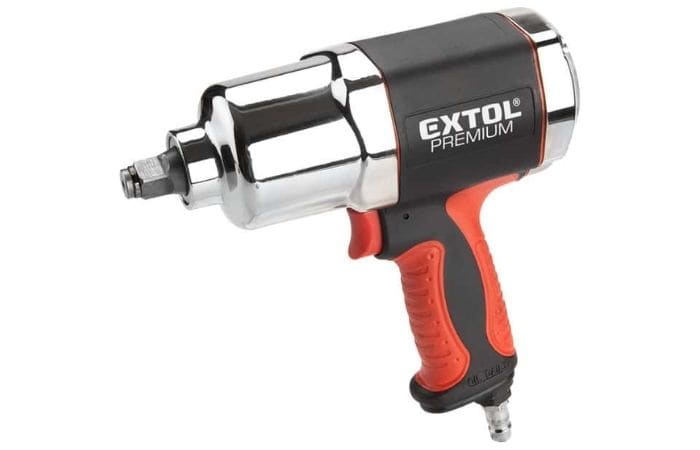
Air impact wrenches are powerful tools that utilize compressed air to deliver high torque output for fastening and loosening. These wrenches excel in demanding environments such as automotive, industrial, and construction settings.
How Do They Work
Air-powered impact wrenches operate using compressed air to activate an internal hammer mechanism. Compressed air enters the tool, energizing a motor that drives a rotating hammer. This hammer delivers rapid bursts of torque directly to the fastener. The tool’s design ensures efficient energy transfer, allowing for quick and effective loosening or tightening of bolts and nuts.
Pros and Cons
| Pros | Cons |
|---|---|
| 1. Supreme Power & Torque: Unmatched power-to-weight ratio. Ideal for heavy-duty, high-torque applications like truck lug nuts and industrial machinery. | 1. Requires an Air Compressor: This is the biggest drawback. You cannot use the tool without a large, powerful, and expensive air compressor. |
| 2. Lightweight & Durable: The tool itself is lighter and has a simple, robust design that can withstand drops, dust, and years of hard use. | 2. Low Portability: You are tethered to the compressor by an air hose, severely limiting mobility around a garage or worksite. |
| 3. Excellent for Continuous Use: They run cool and won’t overheat, making them perfect for production environments or long tasks that would overheat an electric motor. | 3. High Noise Level: The tool is very loud, and the compressor adds significant background noise. Hearing protection is essential. |
| 4. Lower Tool-Only Cost: The impact wrench itself is generally less expensive than a high-quality cordless electric model. | 4. Compressor Maintenance: The compressor requires regular upkeep, like draining moisture from the tank and checking oil levels (if oil-lubricated). |
| 5. Simple & Repairable: Their mechanical simplicity often makes them easier and cheaper to repair than complex electric tools. | 5. Needs Accessories: Requires an air hose, couplings, and potentially an in-line oiler and filter, adding to the total cost and setup. |
Key Differences Between Cordless and Air Impact Wrenches
Here is a concise table comparing the main features of these two types of impact wrenches.
| Feature | Cordless Impact Wrench | Air Impact Wrench |
|---|---|---|
| Power Source | Rechargeable battery | Compressed air |
| Portability | High | Low |
| Maximum Torque | Good to excellent | Excellent |
| Noise Level | Moderate | Very loud |
| Initial Cost | Higher | Lower (tool only), but compressor adds significant cost |
| Maintenance | Battery care | Compressor maintenance |
| Best For | Mobile mechanics, DIY, job sites without air | Professional shops, heavy-duty industrial use |
How to Choose the Right Type for Your Needs
Honestly, neither electric nor air is inherently better. The best choice just comes down to what you’re actually going to use it for. Ask yourself these key questions:
1. Where Will You Be Working? (The Most Important Question)
- In a fixed professional garage with air lines: An air impact wrench is a strong contender, especially if you already have a compressor.
- At home, on the roadside, or across a large job site: A cordless impact wrench is the only practical choice. Its portability is a game-changer.
2. What Tasks Will You Be Doing?
- Heavy-Duty, Continuous Work: (e.g., removing truck lug nuts all day, working on heavy machinery). An air impact wrench is ideal as it won’t overheat and delivers consistent, extreme torque.
- General Automotive, DIY, and Construction: (e.g., rotating car tires, building decks, assembling machinery). A modern cordless impact wrench has more than enough power for these tasks.
3. What Is Your Total Budget?
- Lower Initial Tool Cost: The air wrench itself is cheaper, but remember the significant added cost of a capable air compressor, hose, and fittings.
- Higher Initial, Lower Long-Term: A cordless tool kit (with battery and charger) costs more upfront. However, there are no additional large purchases needed.
4. How Important Are Convenience and Setup Time?
- Plug-and-Play Convenience: A cordless tool is ready in seconds. Just insert a battery.
- Tolerance for Setup: An air tool requires connecting hoses, waiting for the compressor to fill, and managing moisture in the air lines.
By weighing these factors, you can make an informed choice that aligns with your needs and optimizes your efficiency.
Frequently Asked Questions
Are air impact wrenches more powerful?
Air impact wrenches typically provide superior torque compared to electric models, making them ideal for heavy-duty tasks. They excel in automotive and industrial applications where maximum, consistent power is crucial.
What are the main differences between air and electric impact wrenches?
Air impact wrenches use compressed air for power and are ideal for heavy-duty jobs. Electric impact wrenches are more portable and user-friendly, making them suitable for lighter tasks. Each has distinct advantages based on your needs.
How do I choose the right impact wrench?
Consider factors like the type of job, power source availability, weight and ergonomics, maintenance needs, torque requirements, and budget. Assessing these elements helps you select the best impact wrench for your specific tasks.
What maintenance do air impact wrenches require?
Air impact wrenches need regular lubrication, air filter changes, and inspections for wear and tear. Proper maintenance ensures optimal performance and extends the tool’s lifespan.
What torque should I look for in an impact wrench?
The torque you need varies by job. Light tasks may require 100-150 ft-lbs, while heavy-duty jobs might need 500 ft-lbs or more. Assess your specific task requirements before purchasing.
Conclusion
Choosing between an air and electric impact wrench ultimately depends on your specific needs and work environment. By considering factors like job type, weight and total budget, you can select the right tool that fits your tasks perfectly. Understanding these differences ensures you’ll have the right impact wrench to optimize your efficiency and effectiveness on the job. Make your decision wisely and enjoy the benefits of a tool that truly meets your needs.