The first step in choosing an angle grinder is simple: plug in or power up? Corded models offer non-stop energy, while cordless ones provide ultimate freedom.
This guide will break down the pros, cons, and key differences in simple terms. By the end, you’ll know exactly which type of angle grinder is the perfect fit for your projects and your wallet.
How Angle Grinders Work
Before we dive in, let’s cover the basics. An angle grinder is a handheld power tool that uses a spinning disc (called a wheel or disc) to work on a material. A motor inside the tool spins the disc at very high speeds. You attach different types of discs for different jobs:
- Cutting discs for metal, tile, or stone.
- Grinding discs to smooth welds or remove rust.
- Flap discs for finishing surfaces.
- Wire brushes for cleaning and stripping.
Whether corded or cordless, the core job is the same. The difference lies in how they get their power.
Pros and Cons of Corded Angle Grinders
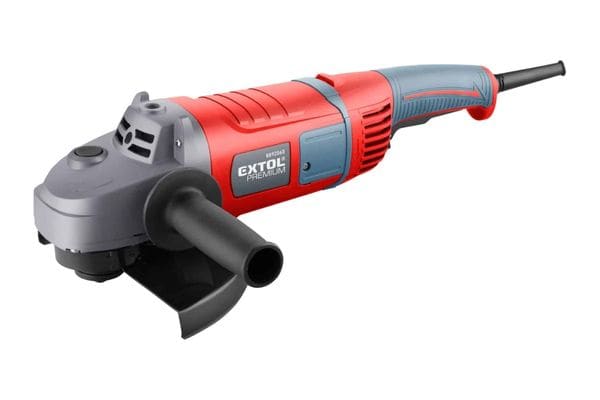
A corded angle grinder plugs directly into a wall outlet. It’s the traditional choice known for raw, consistent performance.
Pros
Corded angle grinders are great because they offer steady power without stopping. You just plug them into an outlet, and they keep working. This means you don’t have to worry about batteries dying in the middle of a job. They often cut and grind very powerfully, which is good for tough materials like thick metal. Since they don’t have heavy batteries, they can sometimes feel lighter to hold for long periods. Plus, they usually cost less money to buy at first.
Cons
However, corded grinders have some downsides. You need an electrical outlet nearby, which can be a problem if you’re working far from power. The cord can get in the way, making you trip or limiting how far you can move. You might also need long extension cords, which can be annoying to manage and can even be a safety risk if they get cut or damaged. Sometimes, if you use them for a very long time, they can get hot and need a break.
Pros and Cons of Cordless Angle Grinders
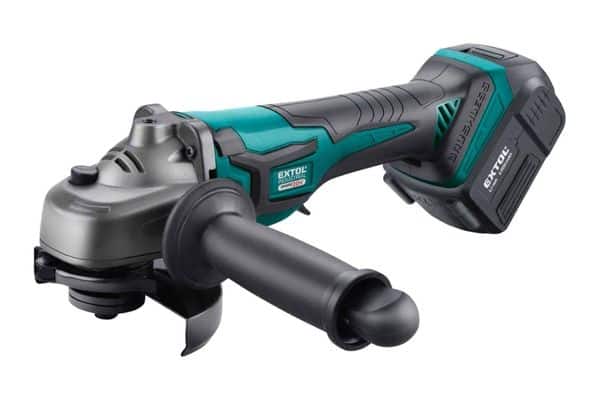
A cordless angle grinder runs on a rechargeable battery, usually part of a larger system like DeWalt’s 20V MAX.
Pros
Cordless angle grinders are super handy because you can use them almost anywhere. There’s no cord to trip over or to limit your movement, making them safer and easier to use in tight spots, up high, or outside where there are no power outlets. They are designed to be easy to hold and balance, which helps when you’re working in different positions. Modern battery models give them enough power for many tasks, letting you move freely from one job to another.
Cons
On the flip side, cordless grinders depend on their batteries. This means you have to stop and recharge, or have extra batteries ready to go, which can interrupt your work. While powerful, they might not always have the same continuous power as corded ones for the heaviest jobs. The batteries also add weight to the tool, making it heavier to hold for long tasks and potentially tiring you out quicker. Cordless grinders and their batteries usually cost more to buy initially, and you’ll eventually need to replace the batteries as they wear out over time.
Corded vs Cordless Angle Grinder: Head-to-Head Comparison
Let’s put them side-by-side on the key factors.
Power Output
Winner: Corded.
Corded grinders provide consistent, top-tier power without any fade. They are the undisputed champions for the toughest, most continuous jobs like grinding down welds or cutting thick stone.
Runtime
Winner: Corded.
A corded grinder has an unlimited “runtime.” The cordless grinder wins on convenience but loses on endurance. You’ll need spare batteries for big jobs.
Precision
Winner: Cordless.
Many modern brushless cordless grinders feature smart electronics that allow for better speed control under load, giving you more precision for delicate grinding or polishing tasks compared to a standard corded model.
Portability
Winner: Cordless.
There’s no contest. The ability to work completely untethered is a game-changer for many situations.
Weight & Ergonomics
It’s a Tie.
The corded tool body is lighter, but you have to manage a heavy, often stiff power cord. The cordless tool is heavier in your hand, but you have complete freedom of movement without a cord getting tangled.
Maintenance Requirements
Winner: Corded.
Corded grinders are simple—just the tool itself. Cordless models require you to maintain and eventually replace expensive batteries, which lose their ability to hold a charge over time.
Safe Level
Winner: Cordless.
While no electrical tool should be used in heavy rain, a cordless grinder is inherently safer for use in damp conditions like a potentially wet outdoor worksite because there is no live mains-power cable on the ground.
Cost Analysis
Winner: Corded.
If you’re on a tight budget and need raw power, a corded grinder offers the best performance per dollar. While a cordless tool-only can be cheap, the real cost is in building a collection of batteries.
Noise
It’s a Tie.
Both types of grinders are extremely loud. The noise comes from the motor and the disc cutting the material, not the power source. Always wear hearing protection!
Choosing the Right Grinder for Your Needs
So, which one is for you? Let’s match the tool to the user.
For Professional Workshops & Heavy, Daily Use:
- Recommendation: A Corded Angle Grinder is essential.
- Why: If you’re grinding welds all day or cutting concrete, you need the non-stop power and reliability of a corded model. It’s a workhorse that won’t let you down.
For DIY Use, Homeowners, and Tradespeople on the Go:
- Recommendation: A Cordless Angle Grinder is useful.
- Why: For most home projects—cutting a pipe, sharpening a mower blade, quick metal fabrication—a cordless grinder provides more than enough power and total convenience. If you already own cordless tools from a major brand, adding a grinder is a smart, cost-effective choice.
Safety Tips
Angle grinders are powerful and can be dangerous if not used correctly. Always follow these rules:
- Wear Your PPE: Always, always wear safety glasses, heavy-duty gloves, and hearing protection. A face shield is even better.
- Check the Guard: Ensure the safety guard is properly installed and adjusted to be between you and the spinning disc.
- Use the Right Disc: Never use a disc that is rated for a lower RPM than your grinder’s speed.
- Secure Your Workpiece: Clamp down whatever you are cutting or grinding. Never hold it with your hand.
- Mind the Cord: For corded models, keep the cord away from the spinning disc and out of your path.
FAQs
Can a cordless angle grinder be as powerful as a corded one?
Modern high-voltage (36V/40V) cordless grinders are incredibly powerful and can match some corded models for short bursts. However, for sustained, heavy-duty tasks, a corded grinder still maintains its power advantage without fading.
How long does a cordless angle grinder battery last?
It depends on the battery’s Amp-hour (Ah) rating and the task. A 4.0Ah battery might last 20-30 minutes of intermittent cutting, but only 10-15 minutes of continuous heavy grinding. For big jobs, having 2-3 spare batteries is a must.
Is it worth buying a cordless angle grinder if I already have corded ones?
Absolutely! Many professionals do this. They use the corded grinder for the long, tough jobs in the workshop and keep a cordless one handy for quick cuts and tasks.
Conclusion
The choice between a corded and cordless angle grinder isn’t about which is objectively “better.” It’s about which is better for you. Think about the jobs you do most often. If you need to tackle big metalworking projects with no interruptions, go corded. If you value the freedom to make a quick cut in the backyard or on a job site without power, go cordless. By understanding the trade-offs, you can invest in the tool that will help you get the job done safely and efficiently.