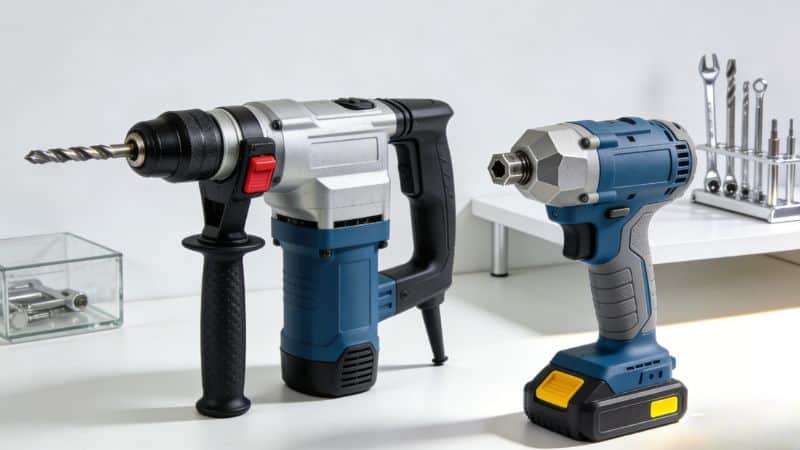
Every DIY enthusiast or professional tradesperson knows that having the right tool for the job makes all the difference. In the world of power tools, two often-confused heroes are the hammer drill and the impact driver. While they might look somewhat similar, they are designed for very specific tasks.
This guide will break down the key differences between a hammer drill and an impact driver, explaining working principles, key differences, and how to choose the perfect tool for your next project.
Understanding the Hammer Drill
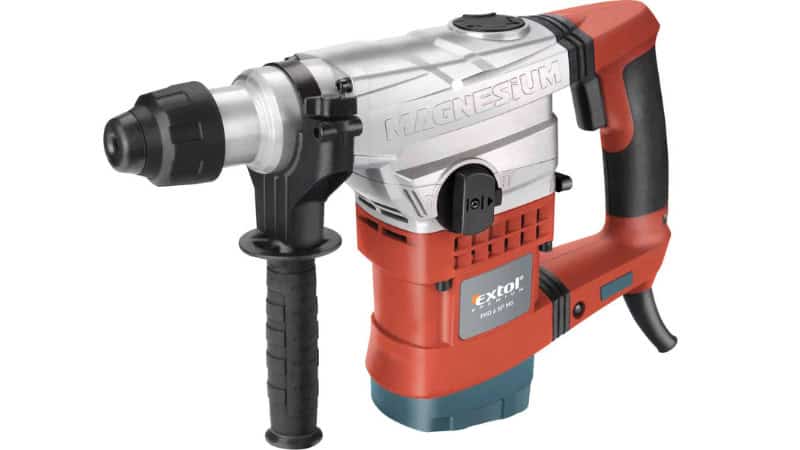
Definition
A hammer drill is a power tool designed primarily for drilling holes into hard, brittle materials. Think of it as your go-to tool for concrete, brick, masonry, stone, and other tough materials.
How It Works
A hammer drill works with a two-pronged attack. First, like a standard drill, it rotates the drill bit. Second, and most importantly, it adds a rapid, pulsating hammering action—thousands of impacts per minute—that pounds the bit forward as it spins. This dual mechanism helps drill through concrete by breaking it up into small pieces, allowing the rotation to clear the debris.
Understanding the Impact Driver
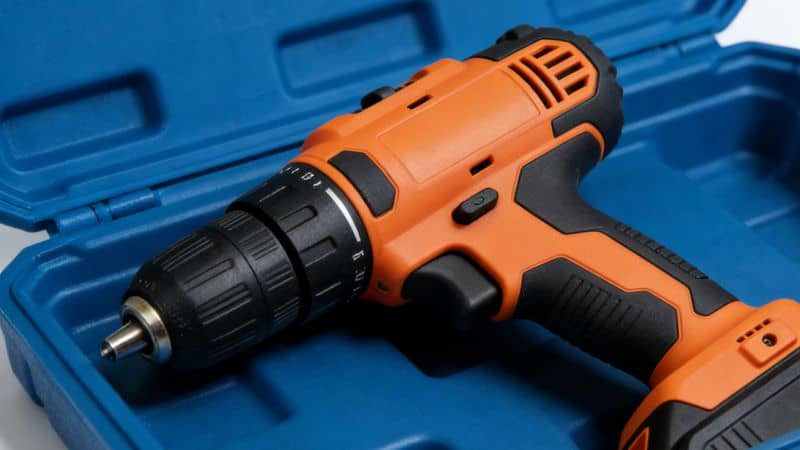
Definition
The impact driver is a more compact tool built for one main purpose: driving screws and bolts. It is the right tool for heavy-duty fastening tasks, such as driving long screws, ledger screws, or assembling decks and framing.
How It Works
Instead of a hammering action, an impact driver uses a powerful rotational mechanism. Inside, an impact driver has three main components: a spring, a hammer, and an anvil. As resistance is met (like when a screw gets tight), the tool converts rotational force into sudden, high-torque impacts. These concussive blows to the back of the driver deliver tremendous rotational force or torque.
Hammer Drill vs. Impact Driver: The Key Differences
Understanding these key differences will ensure you grab the correct tool from your kit every time.
Mechanism
The core distinction lies in their internal mechanics. A hammer drill rotates the bit like a standard drill while simultaneously producing a rapid, forward-pounding hammering action.
In contrast, an impact driver is a specialist in rotation. It delivers its immense power through concussive, twisting impacts from within.
Chuck
The chuck, which holds the tool bits, is designed for each tool’s primary role. A hammer drill usually features a keyless chuck that can clamp onto a wide variety of standard round and hex shank drill bits, making it versatile for different drilling tasks.
An impact driver, however, is built for speed and strength in driving. It has a quick-release hex chuck that only accepts bits with a hex shank. This specialized design ensures bits are held more securely under the tool’s extreme rotational force and allows for faster bit changes.
Torque
Torque is the turning power of the tool, and here they differ significantly. A hammer drill provides moderate, consistent rotational force suitable for boring holes; its standout feature is the forward force of its hammer action.
An impact driver is engineered to deliver exceptionally high, sudden bursts of rotational torque. This “impact” torque is what makes it the superior tool for driving screws and bolts into dense materials.
User Feel & Noise Level
The experience of using each tool is distinct. Operating a hammer drill, especially on a hard surface, involves noticeable forward-facing vibration and a pronounced, rhythmic pounding sound from the hammer mechanism.
An impact driver feels and sounds different. When it engages under load, it produces a loud, sharp rattling or buzzing noise—often compared to a machine gun. In your hands, you’ll feel sharp, rapid rotational jerks rather than a constant vibration, which is the sensation of its internal impacts doing the hard work for you.
When to Use Which Tool
Choosing the right tool for drilling or driving is simple once you know their specialties.
Use a Hammer Drill when:
- Your project involves drilling holes in concrete, brick, or masonry.
- You need to install concrete anchors.
- You are working with other tough materials like stone.
- Note: Most hammer drills include a clutch and can be switched to “drill-only” mode, making them capable (though bulkier) regular drills for wood and metal.
Use an Impact Driver when:
- Your main task is driving screws—especially many large or long screws.
- You are doing heavy-duty fastening in framing, decking, or fencing.
- You need a lighter, more compact tool for fastening overhead.
- You need high torque to loosen a stubborn bolt or fastener.
Can they overlap? For basic DIY projects, a cordless hammer drill/driver (a combo tool) is a versatile starting point. But for serious work, having both these two tools in your arsenal is a good choice.
Frequently Asked Questions (FAQ)
Which is better, an impact drill or a hammer drill?
Neither is universally better; they are designed for different tasks. A hammer drill is better for drilling into masonry, concrete, or brick. An impact driver is better for driving screws, bolts, and fasteners. Choose based on your primary need: drilling hard materials or heavy-duty fastening.
Can I use a hammer drill as a regular drill?
Yes. Most hammer drills have a selector switch to turn off the hammering action, allowing them to function as a standard drill for wood, metal, or plastic. This makes them a versatile, all-in-one tool for basic drilling tasks when you don’t need the specialized impact mechanism.
Can I use an impact driver to drill holes?
Only if you use hex shank drill bits. However, impact drivers lack the precise speed control and hammering action needed for masonry and are not ideal for clean drilling in wood or metal. They are tools for driving screws, first and foremost.
What’s the difference between a hammer drill and a rotary hammer?
A hammer drill is for lighter masonry work. A rotary hammer (like compact hammer drills or larger SDS models) uses a different, more powerful piston mechanism for frequent drilling into concrete and is the true heavy-duty option.
I drive a lot of screws but occasionally drill into a wall. What should I buy?
Many people start with a hammer drill (in drill-only mode) for its versatility. But for efficiency, consider a cordless combo kit that includes both a hammer drill and an impact driver. This covers drilling holes and driving screws perfectly.
Conclusion
The difference between a hammer drill and an impact driver boils down to their action: one hammers forward, the other impacts rotationally. The hammer drill is your specialist for hard materials like concrete and brick, while the impact driver is the undisputed champion of driving screws and bolts. By understanding these roles, you can tackle your projects with confidence, whether you’re installing a shelf into a masonry wall or building a backyard deck.