With so many power saw types on the market—each designed for specific materials, cuts, and levels of precision—it can be challenging to know which saw is best for your project. In this article, we’ll explore ten essential saws, explain how they differ, and highlight their ideal applications.
10 Different Types of Power Saws
Understanding the different types of power saws and their ideal applications ensures you choose the right tool for any project. Below, we’ll explore each saw type, how it works, and when to use it.
1. Circular Saw
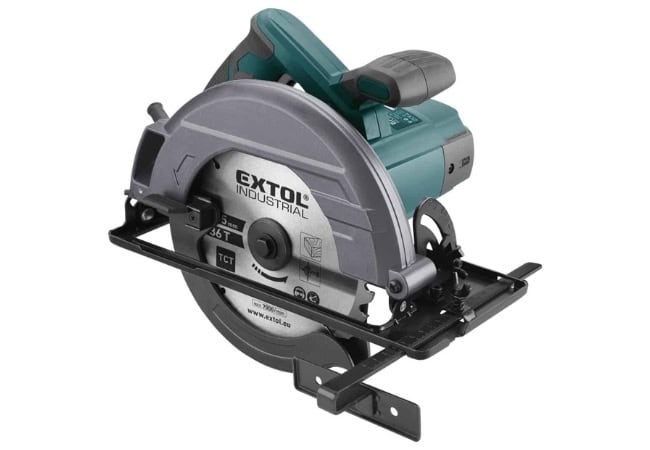
A circular saw is arguably the most versatile handheld power saw. It features a rotating disc—often called a circular saw blade—that can be swapped out to suit different materials such as wood, metal, or plastic.
- Cut Types: Straight rip cuts, crosscuts, bevel cuts up to 45°.
- Blade Selection: Choose a coarse-tooth blade for fast, rough cuts; a fine-tooth blade for precise cuts and clean edges.
- Key Uses:
1. Breaking down sheet goods (plywood, MDF) on-site.
2. Framing and decking—excellent for long, straight cuts when used with a guide rail or straightedge. - Tips: Maintain a firm two-handed grip, clamp your workpiece, and let the blade reach full RPM before cutting.
The circular saw is prized for its portability and affordability, making it a go-to power tool for carpenters and homeowners alike.
2. Table Saw
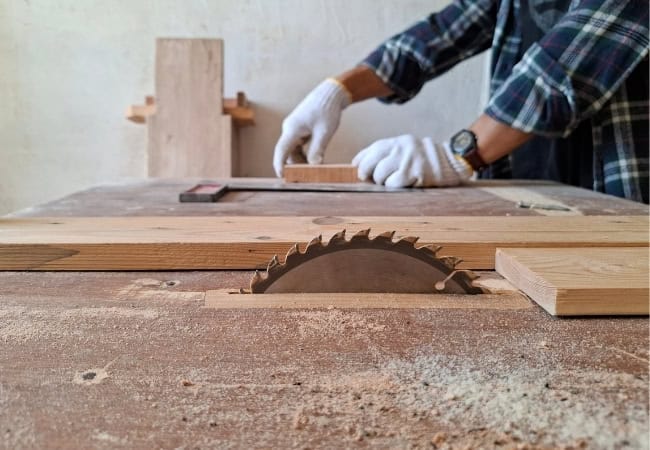
A table saw is the backbone of any serious woodworking shop. Unlike portable saws, this stationary band saw–style machine mounts its blade beneath a flat table, allowing you to feed stock with exceptional control.
- Cut Types: Ripping, crosscuts, bevels, dadoes, rabbets.
- Precision: With a robust fence and miter gauge, you achieve repeatable, square cuts—ideal for cabinetmaking, trim work, and shelving.
- Safety: Always use a push stick or featherboard when cutting narrow strips to keep your handheld reach away from the blade.
- Ideal Materials: Solid hardwoods, plywood, veneered panels, and melamine.
When you need consistently accurate cuts for furniture frames, drawer fronts, or miters for picture frames, the table saw remains unequaled.
3. Miter Saw
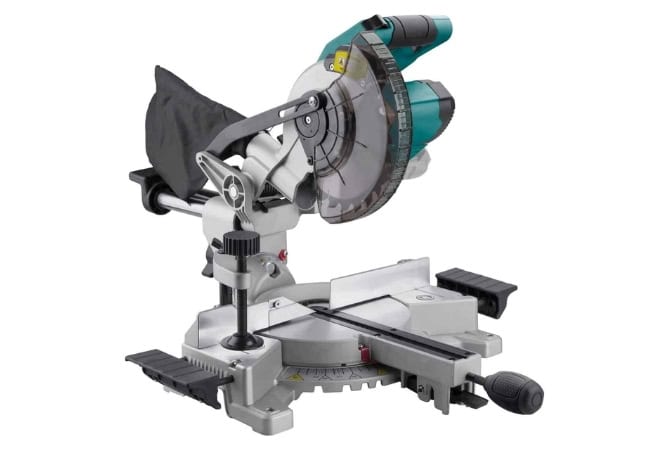
Also known as a chop saw or compound miter saw, the miter saw specializes in angled crosscuts—perfect for picture frames, crown molding, and door casings.
- Variants:
1. Single-bevel miter saw: Tilts one direction for bevel cuts.
2. Dual-bevel (compound) miter saw: Tilts both directions and pivots, enabling complex compound cuts in one setup.
3. Sliding miter saw: Rails allow the blade to move forward and backward, increasing crosscut capacity on wider boards. - Common Angles: Pre-set detents at 0°, 15°, 22.5°, 30°, and 45° for quick adjustments.
- Blade Choice: Use a blade with a high tooth count (e.g., 80+ teeth) for zero-tear molding cuts.
Whether framing windows or installing baseboards, the right blade on your miter saw delivers fast, accurate bevels and miters every time.
4. Jigsaw
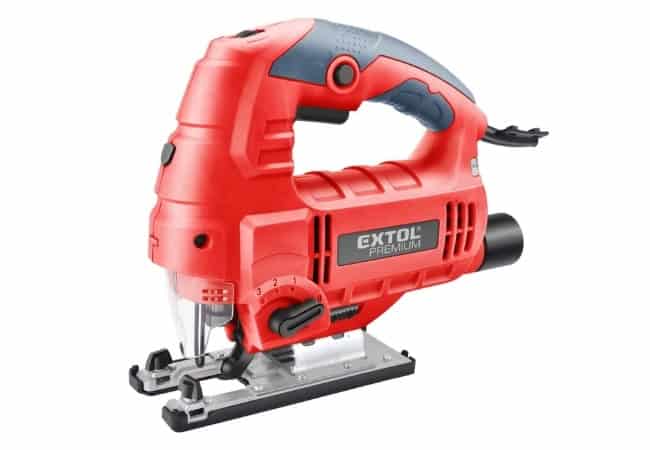
For intricate curves, cutouts, and openings, the jigsaw offers unmatched agility. Its narrow, reciprocating blade negotiates tight radii and decorative patterns.
- Cut Types: Curves, circles, stencils, interior cut-outs (e.g., sink holes in countertops).
- Blade Options:
1. Coarse-tooth blades for fast cuts in wood.
2. Fine-tooth blades or metal-cutting blades for sheet metal and plastic. - Features: Variable speed control and orbital action settings let you dial in the balance between speed and finish quality.
Clamp your jigsaw to a stable work surface, run masking tape along cut lines to minimize tear-out, and choose the blade profile suited to your different materials.
5. Reciprocating Saw
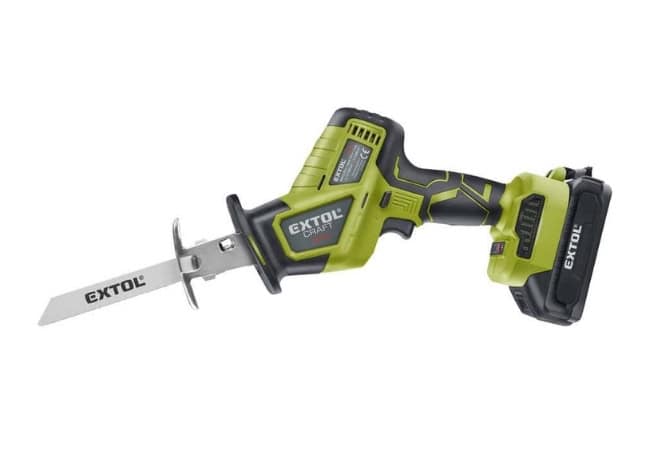
The reciprocating saw—often called a “Sawzall”—is the demolition specialist of power saw types. Its powerful back-and-forth motion quickly shreds through wood, metal, and plaster.
- Cut Types: Rough, aggressive cuts; pruning branches; cutting nails, PVC pipe, and metal studs.
- Design: Tool-free blade changes and an adjustable shoe plate let you control cutting depth and reduce vibration.
- Applications:
1. Tearing out old framing, drywall, and siding.
2. Emergency rescue operations (law enforcement/fire).
3. Landscape work like pruning.
If you need brute force in tight spaces, this handheld power tool gets the job done faster than any manual saw could.
6. Band Saw
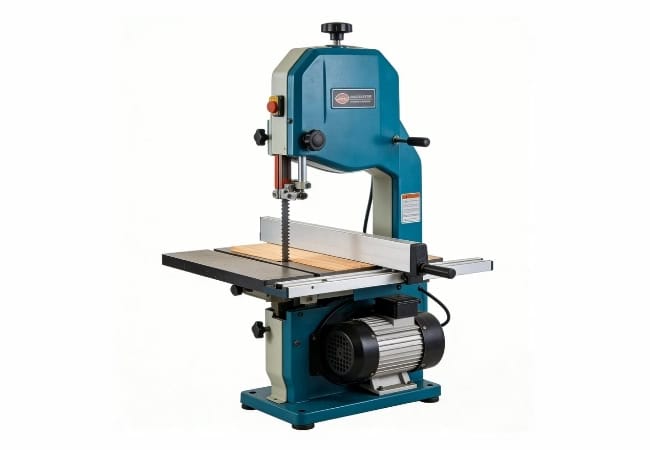
A band saw uses a continuous loop blade to make smooth, accurate cuts—both straight and curved—in wood and metal. In woodworking, it shines at resawing and producing custom profiles.
- Cut Types: Curves, irregular shapes, ribs, tenons, and thin veneers.
- Blade Sizing: Wider blades for gentle curves; narrow blades for tight turns.
- Stationary vs. Portable:
1. Stationary band saws: Larger throat and table for serious shops.
2. Portable band saws: Handheld versions for metalworkers on-site.
Use a properly tensioned blade and feed work slowly to prevent blade drift. Add a fence for straight cuts or remove it for freeform patterns.
7. Scroll Saw

Think of the scroll saw as the precision counterpart to the band saw. It’s a small, stationary machine with a very fine blade that excels in ornamental fretwork, marquetry, and internal cut-outs.
- Blade Options: Ultra-fine blades down to #5 for the tiniest curves.
- Table Tilt: Up to 45° for bevel cuts in thin stock.
- Dust Blower: Keeps the cutting line visible on delicate veneers.
Ideal for crafting wooden puzzles, intricate ornaments, and inlay work, the scroll saw requires patience and a steady hand but delivers breathtaking detail.
8. Track Saw
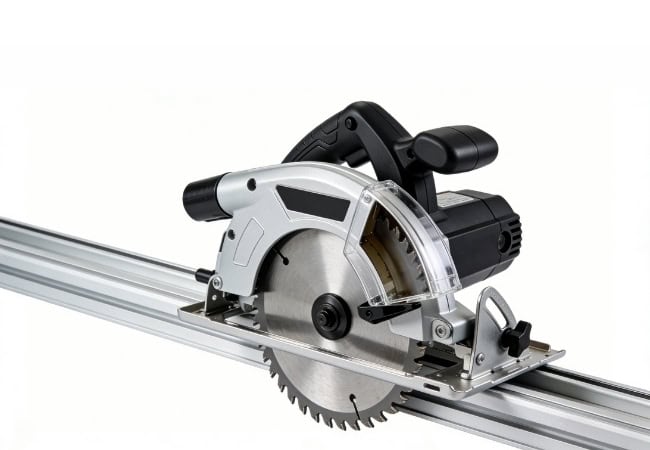
The track saw (or plunge saw) combines the portability of a circular saw with the straight-edge precision of a table saw. The base rides along a guide rail, ensuring perfect alignment and splinter-free cuts.
- Cut Types:
1. Plunge cuts—start cuts in the middle of a panel without tear-out.
2. Long rip cuts—perfect for sizing doors or countertops. - Features: Rubberized tracks for grip, anti-splinter strips, and integrated dust ports.
- Advantages: Replaces a bulky table saw when working on-site or in small shops.
Use clamps at each end of the track, select a blade matched to your panel material, and enjoy consistent, straight edges every time.
9. Chainsaw
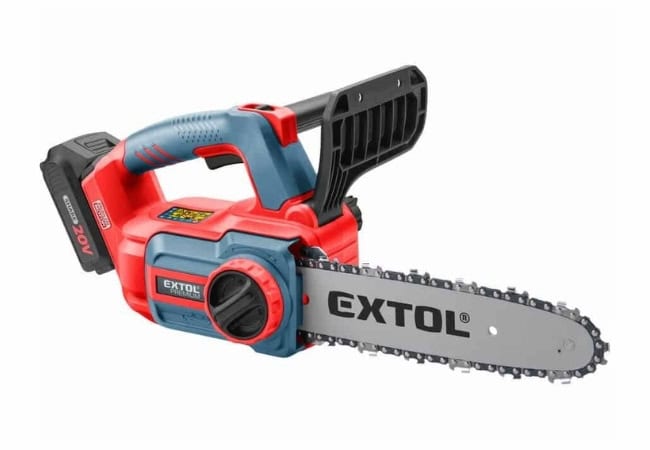
The chainsaw is the undisputed champion for heavy timber work. Whether powered by gas, corded electric, or battery, it uses a chain saw blade loop that speeds around a guide bar at high torque.
- Cut Types: Felling, limbing, bucking logs, carving.
- Safety Features: Chain brakes, anti-kickback bars, and vibration-dampening handles.
- Use Cases:
1. Forestry and logging.
2. Clearing storm damage.
3. Large-scale woodworking (e.g., log benches, rustic furniture).
Always wear chaps, a face shield, and hearing protection. Keep the chain sharp and properly tensioned to avoid dangerous kickback.
10. Cut-Off Saw
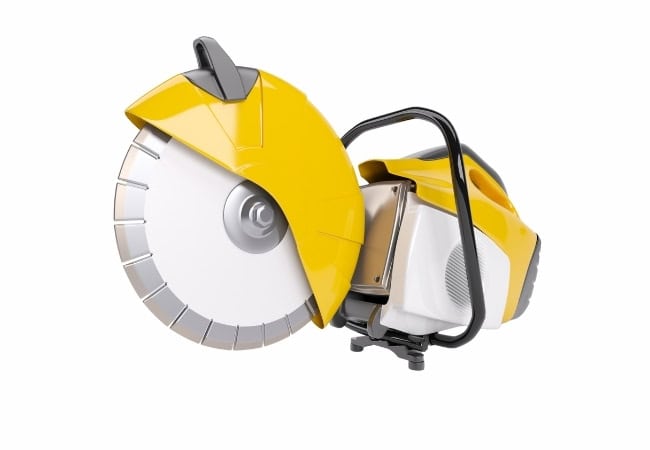
Also called a concrete saw, masonry saw, or chop saw (with an abrasive or diamond blade), this powerful tool slices through metal, concrete block, brick, tile, and stone.
- Cut Types: Straight and miter cuts in steel, rebar, block, pavers, and ceramic tile.
- Blade Types:
1. Abrasive wheels for metal cutting.
2. Diamond blades for masonry and ceramic tile. - Features: Water-feed options on tile saw variants to suppress dust and cool the blade.
Clamp your workpiece securely, let the blade reach full speed before engaging, and use a dust-collection system or water to minimize airborne silica.
Electric Saws vs. Hand Saws
When deciding between electric saws and hand saws, it ultimately comes down to power, precision, portability, and user fatigue.
Power & Speed
Electric saws—powered by corded electricity or batteries—deliver rapid blade rotation or reciprocation that hand saws simply can’t match. A circular saw or reciprocating saw can slice through thick framing lumber or metal conduit in seconds, whereas a manual rip saw or coping saw requires sustained physical effort and time to achieve the same cut. This raw power is indispensable on job sites where speed and throughput matter most.
Precision & Control
Hand saws shine when fine control, minimal kerf waste, and ultra-quiet operation are needed. A dovetail saw or Japanese pull saw lets you feel every tooth engage the wood, making it ideal for delicate joinery, fine trim work, or cutting curves in thin stock. In contrast, electric saws excel at repeatable, straight cuts—especially when used with fences, tracks, or jigs—but can be overkill (and harder to control) on small, intricate pieces.
Portability & Convenience
Lightweight hand saws require no power source, making them the go-to for quick touch-ups, remote locations, or when noise is a concern. Though cordless electric saws have narrowed this gap, hand saws still win in situations where you need absolute simplicity and zero equipment setup.
Fatigue & Safety
Using a hand saw engages your upper body over extended periods, leading to fatigue that can affect cut quality. Electric saws reduce physical strain, but they introduce hazards like kickback, blade exposure, and electrical risks. Proper PPE (gloves, eye protection, ear protection) and safe operating practices are essential for using both saws.
Choosing the Right Types of Saws
- For rough demolition, framing, or high-volume work: choose an electric reciprocating, circular, or miter saw.
- For fine woodworking, trimming, or detailed curves: opt for a hand saw or scroll saw.
- When mobility and minimal setup are critical: hand saws and small cordless models excel.
- When precision and repeatability matter most: electric saws paired with fences, tracks, and jigs deliver superior consistency.
Conclusion
Nowadays, power saws come in numerous types with a wide range of applications. Whatever project you’re tackling, there’s a saw that fits the bill. When selecting a saw, focus on these key factors: the material you’re cutting, the cutting method, portability versus precision, and blade choice. By matching your saw to your specific needs, you’ll work more safely, efficiently, and achieve professional-quality results.