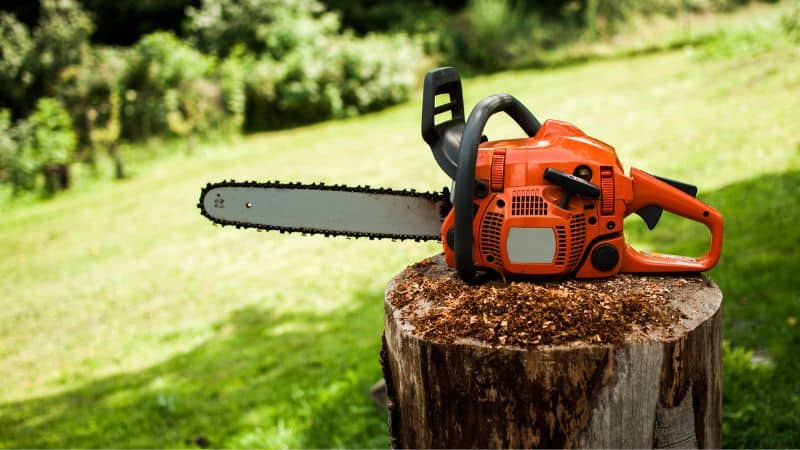
A chainsaw is a portable power tool that cuts wood and other materials using a rotating chain with sharp teeth. You might see them used by tree services, construction crews, or homeowners tackling yard work. Chainsaws are primarily used for cutting trees, trimming branches, cutting firewood, and clearing fallen debris during storms or emergencies.
These versatile machines come in different types to match your needs. Whether you’re clearing land or simply exploring equipment, knowing how chainsaws function, their applications, and proper safety practices will help you make informed decisions.
What Are Chainsaws?
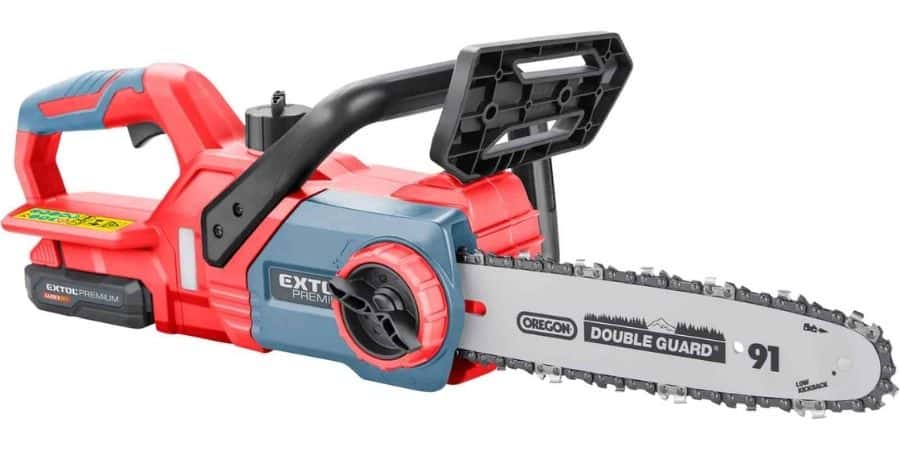
In this section, we will explore the history of chainsaw invention and the different types and key features of these powerful cutting tools.
History of the Chainsaw
The chainsaw has a shocking origin story. It was first invented for medical use, not for cutting trees.
- Early Medical Use: In the late 1700s, doctors created the first chainsaw-like tool. They used it for a surgery called symphysiotomy on women during childbirth. This surgery widened the birth canal using a hand-cranked, rotating blade.
- Move to Forestry: The chainsaw moved from medicine to forestry in the early 1900s. People realized the cutting tool could work well on wood and trees.
- The Modern Breakthrough: In 1926, Andreas Stihl developed the first successful handheld chainsaw. His “Stihl 001” used a gasoline engine. This made chainsaws lighter and more powerful than earlier models. This helped loggers and foresters adopt the tool quickly.
In terms of industrial impact, the motorized chainsaw has revolutionized timber production. It dramatically increased cutting speeds, much like how ordinary saws replaced axes decades earlier.
In conclusion, the chainsaw went from a medical instrument to an essential forestry tool in just over a century.
Types & Features
Chainsaws are available in three main types, each designed for different needs and skill levels:
- Gas-powered chainsaws offer the most power and portability. They run on gasoline and can handle heavy-duty cutting tasks. These models work well for professional tree removal and large projects.
- Electric chainsaws plug into wall outlets and provide consistent power. They produce less noise and weigh less than gas models. You’ll find them ideal for light pruning and small cutting jobs around your home.
- Battery-powered chainsaws offer cordless convenience without gas fumes. Modern battery models deliver good power for medium-sized tasks. They start instantly and require minimal maintenance.
Key features include the guide bar that determines cutting capacity and the chain with sharp cutting teeth. Most chainsaws have automatic oiling systems that keep the chain lubricated during use. Safety features include chain brakes that stop the chain quickly and throttle locks that prevent accidental acceleration.
Primary Uses of Chainsaws
Chainsaws serve multiple purposes across different industries and materials. While wood cutting remains their primary function, these versatile tools can handle ice, concrete, plastic, and even specialized processing tasks.
Wood Cutting
Logging and forestry represent the most common chainsaw applications. Professional loggers use chainsaws to fell large trees and process timber for commercial use. You can control the direction a tree falls with proper cutting techniques.
Firewood cutting is another major use. Homeowners rely on chainsaws to cut fallen branches and logs into manageable pieces for burning. The chainsaw chain cuts through hardwood and softwood efficiently.
Pruning helps maintain tree health and appearance. You can remove dead or overgrown branches using smaller chainsaws designed for precision work.
Landscaping projects often require chainsaw use. You might need to remove storm-damaged trees or clear land for construction. Gardening tasks include cutting large branches that regular tools cannot handle.
Ice & Snow
Chainsaws excel at cutting through thick ice formations.
Ice sculptors use specialized chainsaws to carve detailed artwork from ice blocks. It creates smooth cuts that hand tools cannot achieve.
Emergency responders use this tool to clear ice dams from roofs and gutters. These ice formations can cause serious damage to buildings during winter storms.
You can cut through frozen pipes and ice blockages with chainsaws. This helps restore water flow during freezing conditions. Snow removal is sometimes required. When snow becomes too dense or frozen for regular equipment, chainsaws can break through the hardened surface.
Concrete & Stone
Cutting concrete requires specific chains designed for abrasive materials. With the diamond-tipped chainsaw chains, you can cut through concrete walls, sidewalks, and foundations.
Stone cutting for landscaping projects becomes easier with chainsaws. You can shape natural stone for garden walls and decorative features.
Emergency rescue teams use concrete-cutting chainsaws to access trapped people in collapsed buildings. These tools cut through debris faster than manual methods.
Plastic & Composite Materials
Large plastic pipes and fittings require chainsaw cutting in plumbing and construction work. Standard cutting tools struggle with thick plastic materials.
Composite materials like fiberglass and carbon fiber can be cut with chainsaws. You need specific blade types to prevent melting or cracking.
Boat builders use chainsaws to shape foam cores and composite hulls. The tool removes material quickly while maintaining smooth curves.
Recycling facilities use chainsaws to break down large plastic components. This prepares materials for further processing and reuse.
Bone & Animal Processing
Butchers and meat processors use chainsaws for large animal processing. These tools cut through bone and cartilage that knives cannot handle effectively.
Hunters use chainsaws to process large game animals in the field. This includes cutting through elk and deer bones during field dressing.
Veterinary applications sometimes require chainsaw use for large animal procedures. Specialized medical chainsaws ensure sterile cutting conditions.
Taxidermists use small chainsaws to prepare animal specimens. The tool helps remove bones and shape mounting materials accurately.
How to Use Chainsaws Safely?
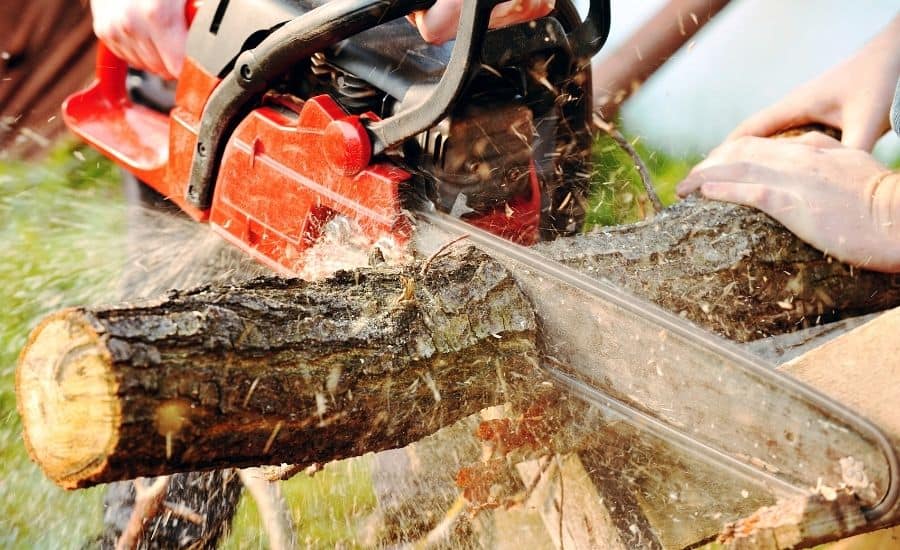
Proper chainsaw safety requires careful preparation before use, following correct procedures during operation, and taking proper steps after finishing your work. Personal protective equipment and safe operating techniques are essential for preventing serious injuries.
Pre-Operation
Put on all required personal protective equipment before starting your chainsaw. You need safety glasses or a face shield for eye protection. Wear hearing protection like earplugs or earmuffs to protect your ears from loud engine noise. Chainsaw chaps are crucial for leg protection. These special pants have layers that can stop a moving chain if it hits your leg. Also, wear steel-toed boots with a good grip and a hard hat if working around falling branches.
Check your chainsaw before each use. Make sure the chain is sharp and properly tensioned. Look for loose bolts or damaged parts. Fill the fuel tank and check the oil level for the chain bar.
Clear your work area of people and obstacles. Plan your escape route in case a tree falls unexpectedly. Never work alone when cutting large trees.
During Operation
Starting the saw involves setting the choke, priming the engine, and pulling the starter cord firmly. Electric models simply require pressing the power button. Start your chainsaw on flat ground. Hold the saw firmly with both hands at all times. Keep your left hand on the front handle and right hand on the rear handle.
Stand to the side of the cutting line, never directly behind the chainsaw. This protects you if the saw kicks back toward you. Keep the engine running at full speed while cutting.
Watch for kickback, which happens when the chain tip hits something solid. The saw can jump back toward you quickly. Keep a firm grip and never cut above shoulder height.
Cut in smooth, steady motions. Let the chain do the work instead of pushing hard. Take breaks when you get tired since fatigue leads to accidents.
Post-Use Safety
Clean sawdust and debris from the air filter and cooling fins. Turn off the chainsaw and let it cool down completely before storing it. Hot engines can cause burns or start fires.
Store your chainsaw in a dry, secure place away from children. Keep fuel in approved containers away from heat sources. Remove the spark plug if storing for long periods.
Maintenance includes cleaning the air filter, checking chain tension, and refilling the oil reservoir. Sharpen or replace the chain when needed.
In addition, clean and inspect your PPE after each use. Replace damaged safety equipment immediately, since it may not protect you properly next time.
Frequently Asked Questions
What are the applications of modern chainsaws?
Modern chainsaws come in several distinct categories based on power source and intended use.
Electric chainsaws are lightweight and ideal for homeowners who need occasional cutting power.
Gas-powered chainsaws remain the choice for heavy-duty professional work. These models deliver maximum cutting force and can run continuously for extended periods.
Battery-powered chainsaws offer environmental benefits and portability advantages. They produce no direct emissions and operate quietly in noise-sensitive areas.
Pole chainsaws extend your reach to high branches safely from the ground. These specialized tools eliminate the need for ladders when pruning tall trees.
In what ways are chainsaws utilized in professional forestry and arboriculture?
Professional foresters rely on chainsaws for tree felling operations in commercial logging. Arborists use chainsaws for precise tree trimming and branch removal. Emergency response teams depend on chainsaws during storm cleanup and rescue operations. Construction crews use chainsaws to cut lumber and wooden materials on job sites.
How do chainsaw features differ between models designed for home use versus professional use?
Home-use chainsaws prioritize ease of operation and basic safety features. These models typically have smaller engines and automatic chain oiling systems. Home chainsaws usually have simpler starting systems and require less maintenance knowledge.
Professional chainsaws feature more powerful engines and more complex carburetor adjustments and specialized parts. Professional models often include advanced anti-vibration systems and ergonomic handles. They’re designed to withstand continuous use in demanding work environments.