When it comes to woodworking and DIY projects, selecting the right power sander can make all the difference in achieving a smooth finish. Two popular options on the market are the palm sander and the orbital sander. Each tool has unique features, strengths, and weaknesses that cater to different needs. This guide will investigate each type of sander, compare their pros and cons, and help you decide which is best suited for your tasks.
Key Takeaways
- A palm sander is ideal for detailed work and finish work, making it perfect for intricate tasks such as furniture refinishing.
- Orbital sanders offer faster material removal due to their random orbital motion, making them suitable for larger, heavy-duty woodworking projects.
- For beginners, a palm sander is easier to control, while more experienced users may prefer the versatility of an orbital sander.
- Choosing the right sander depends on your project’s specific needs, material requirements, and personal comfort level with the tools.
What is a Palm Sander?
A palm sander, also known as a detail sander or finishing sander, is a compact and lightweight sanding tool designed for smaller projects. It features a flat, rectangular sanding pad that you place against the wood surface. The sander vibrates in a pin-like motion, rather than a circular motion, which is ideal for smoothing surfaces on delicate projects.
Palm sanders are perfect for reaching tight corners or intricate details in your workpiece, making them ideal for furniture refinishing, cabinet making, and other detailed woodworking tasks. These tools are easy to handle and often less expensive than their orbital counterparts, making them accessible for both beginners and experienced woodworkers.
Pros & Cons of Palm Sander:
Pros
- Easy to Control: The lightweight design and compact size allow for precision control, making it easier to navigate around edges and curves.
- Ideal for Detail Work: The rectangular pad is great for sanding in tight spaces and on small surfaces, making it a go-to tool for detailed finishes.
- Less Dust: Many models have built-in dust collection systems, which help keep your workspace cleaner.
Cons
- Less Aggressive: While they excel at fine sanding, they aren’t as effective for heavy material removal. If you need to sand down rough surfaces significantly, this might not be the best choice.
- Limited Power: Compared to orbital sanders, the motor in palm sanders is less powerful, making them less versatile for tough applications.
What is an Orbital Sander?
An orbital sander is a power tool that uses a rotating circular sanding surface to quickly sand rough materials and finishes. However, its simple rotational motion tends to leave swirl marks on wood, which led to the development of the random orbital sander. This type of sander features a circular sanding pad that moves in a random orbital pattern. This unique motion combines rotation and circular sanding, minimizing visible sanding marks on the finished surface. Nowadays, traditional orbital sanders are rarely used, and most people referring to an “orbital sander” actually mean a random orbital sander.
This type of sander is often used for larger areas of wood, making it a popular choice in the woodworking world. Orbital sanders are particularly effective for removing material quickly while reducing the risk of swirl marks.
Pros & Cons of Orbital Sander:
Pros
- Versatile Usage: Orbital sanders are suitable for sanding various materials, making them a more versatile option for many woodworking projects.
- Faster Material Removal: The random orbital movement allows for quicker sanding on larger surfaces, saving you time and effort during extensive projects.
- Smooth Finish: The unique motion reduces the risk of scratches or swirl marks, giving you a more polished result.
Cons
- More Control Needed: The power can be challenging for beginners to master. It requires a bit of practice, especially when working on detailed or intricate designs.
- Heavier and Bulkier: Compared to palm sanders, orbital sanders can be more cumbersome and harder to maneuver in tight spaces.
Orbital Sander Vs. Palm Sander: How to Choose the Right Tool
Choosing between a palm sander and an orbital sander eventually depends on your specific needs and the types of projects you typically undertake.
- Project Type: For detailed work such as sanding furniture or molding, a palm sander might be your best bet. If you’re looking at larger projects, like refinishing a tabletop, an orbital sander will likely serve you better.
- Material Needs: The material you’re working with also matters. If you need to remove a lot of material quickly, an orbital sander’s aggressive sanding action will be advantageous. For lighter jobs, a palm sander is sufficient.
- User Experience: If you’re a beginner, a palm sander is generally easier to control, while those with more experience may prefer the versatility and speed offered by an orbital sander.
Summarizing, assess your project scope, materials, and personal comfort with the tools. By weighing these factors, you can choose the sander that aligns with your woodworking goals.
Extoltools’s Professional Random Orbital Sanders
Extol is synonymous with exceptional quality, durability, and innovative design as an electric orbital sander supplier in the industry. Extol’s random orbital sanders are popular among carpenters, DIY enthusiasts, home renovators, and woodworking professionals.
Electric Random Orbital Sander, Wheel Diameter 125mm/150mm, 450W
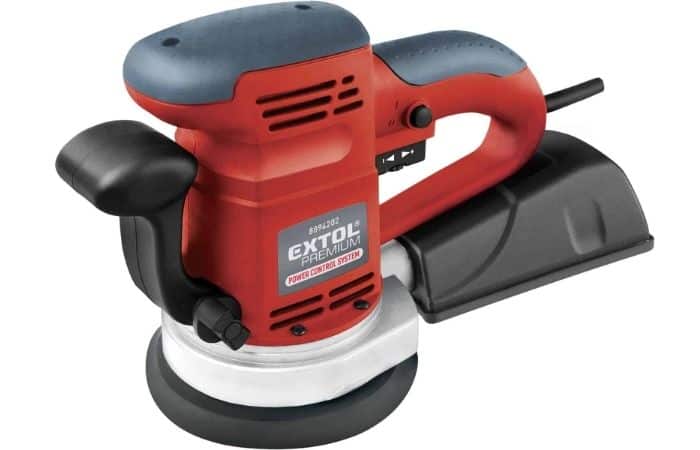
- The electric random orbital sander is a versatile tool for sanding various materials such as wood, metal, and plastic.
- It features a power control system to prevent surface damage and a folding side handle for sanding in narrow spaces.
- With a speed range of 4000-13000/min and two holders for sandpaper, it can easily handle different sanding jobs.
- The sander also has a lightweight design (2.6kg) for comfortable use and comes with a 125mm and 150mm sandpaper holder.
Random Orbital Sander, 430W, Speed 5000-13000/min
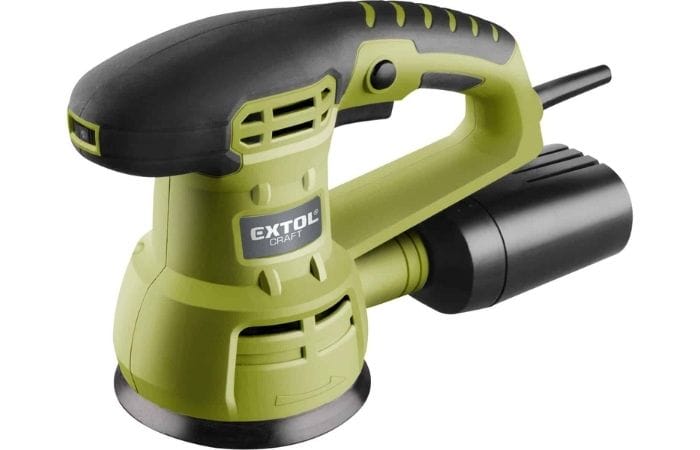
- The random orbital sander is a compact and powerful tool designed for efficient sanding.
- With a 125 mm wheel diameter and 430 W power consumption, it can reach speeds of 5000-13000/min, making it perfect for a variety of sanding applications.
- It features an eccentricity of 5mm and comes with an extra Velcro for easy sandpaper changes.
- The integrated dust extraction and collection box ensures a clean work environment, while the electronic speed regulation allows for precise control.
- This sander is lightweight at only 1.9kg and comes with packaging dimensions of 32.0 x 19.5 x 13.5 cm.
Choose the trusted manufacturer—Extoltools. Use your orbital sander with confidence.
FAQs
What is the main difference between a palm sander and an orbital sander?
The core difference lies in their motion and best use cases. A palm sander (often a finishing sander) uses a small, linear vibrating motion ideal for detail work and smooth finishes on small areas. An orbital sander (typically a random orbit sander) uses a spinning, elliptical motion that removes material faster and is better for large, flat surfaces without leaving swirl marks.
Can I use a palm sander for large projects like a deck or floor?
While possible, it is not recommended. A palm sander lacks the power and sanding aggressiveness for large-scale material removal. Using it on a big project like a deck would be extremely time-consuming. An orbital sander or a larger belt sander would be a far more efficient choice for such tasks.
Are palm sanders good for beginners?
Yes, palm sanders are lightweight and easy to control, making them an excellent choice for beginners tackling smaller or detailed woodworking projects.
Can orbital sanders leave swirl marks?
While orbital sanders are designed to minimize swirl marks due to their random orbital motion, improper technique can still lead to scratches. Practice is key to achieving a smooth finish.