Cutting drywall isn’t hard, but using the wrong tool makes it a nightmare. So what actually works? In this article, I’ve listed five tools that get the job done, plus the ones you should avoid. Let’s dive in.
Why the Right Tool Makes a Big Difference
Drywall looks simple — it’s just a sheet of gypsum sandwiched between paper, right? But make the wrong cut with the wrong tool and you’ll end up with crumbling edges, dusty messes, and panels that don’t fit.
Common Mistakes When Cutting Drywall
Most beginners grab whatever saw is nearby — often a reciprocating saw or circular saw — and go at it full speed. The result? Rough edges, excess dust, and cuts that blow past the line. Drywall doesn’t need brute force. It needs the right technique and the right blade.
What to Look for in a Good Drywall Cutting Tool
The best tool for cutting drywall should give you clean, accurate cuts with minimal dust. For straight cuts, speed and a clean edge matter most. For openings like outlet boxes, HVAC vents, and circular light fixtures, precision and the ability to plunge into the surface are key. Always match the tool to the task.
The Best Tools for Cutting Drywall
Quick Comparison Table
| Tool | Best For | Speed | Dust | Beginner-Friendly? |
|---|---|---|---|---|
| Utility knife | Straight cuts | Medium | Very low | ✅ Yes |
| Jab saw | Outlet boxes, switches | Slow | Low | ✅ Yes |
| Oscillating multi-tool | Tight spots, flush cuts | Medium-slow | Medium | Takes practice |
| Rotary/spiral saw | Lots of openings, curved cuts | Fast | High | No |
| Drywall rasp | Smoothing rough edges | Very slow | Low | ✅ Yes |
Utility Knife — Best for Straight Cuts
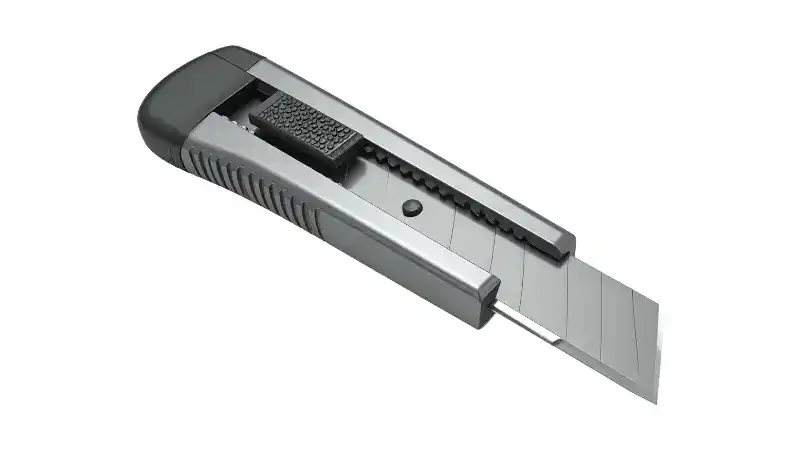
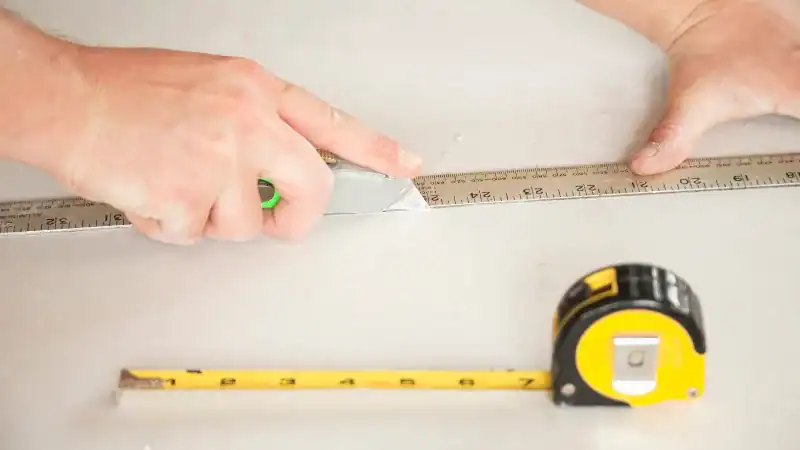
The utility knife is the most commonly used tool for cutting drywall, and for good reason. To make a straight cut, score the face of the sheet along a straight edge, snap it back, then cut through the paper on the other side. Keep your blade sharp — a dull blade drags and tears instead of slicing clean. This method is fast, quiet, and produces almost no dust.
Jab Saw — Best for Holes and Outlets
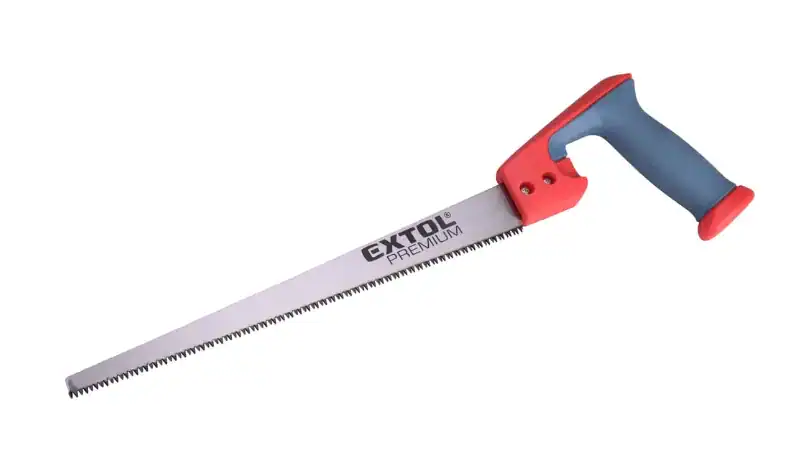
Also called a keyhole saw, the jab saw is your go-to for cutting straight or curved holes — think outlet boxes, switches, and tight corners where a power tool won’t fit. You plunge the tip directly into the drywall surface and saw by hand. It’s slow compared to power tools, but it gives you great control for smaller openings.
Oscillating Multi-Tool — Best for Tight, Precise Cuts
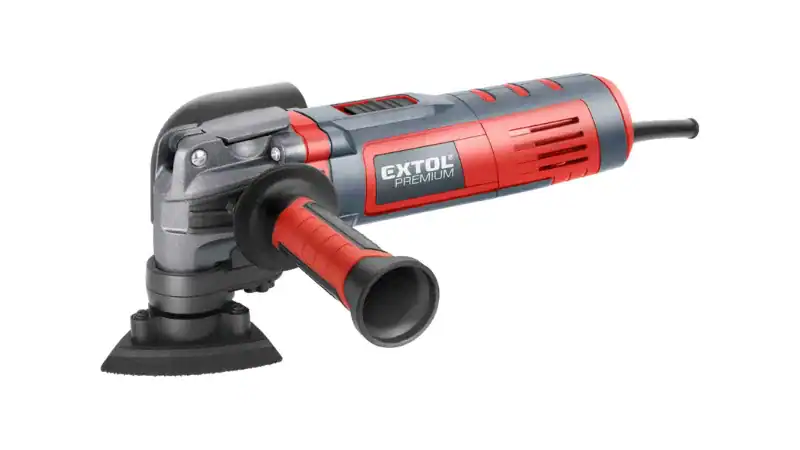
The oscillating multi-tool (also called an oscillating tool or oscillate tool) is a favorite among pros for making precise cuts in awkward spots. It vibrates at high speed, letting you plunge cut, trim edges, and work flush against studs or other surfaces. It’s ideal when you need to remove a section of drywall without disturbing what’s behind it. Pair it with a quality bi-metal blade and it’ll cut through drywall panels cleanly every time.
Rotary/Spiral Saw — Best for Speed on Big Jobs
The rotary saw — sometimes called a RotoZip or spiral saw — is a power tool built specifically for drywall. It spins a small bit at high speed, letting you cut straight lines and curved openings with ease. It’s the fastest way to cut holes for HVAC vents, circular light fixtures, and other round or irregular openings. It does create fine dust, so connect it to a shop vac when possible.
Drywall Rasp — Best for Smoothing Edges
After any cut, edges can be rough or slightly off. A drywall rasp lets you shave down the edge of a sheet quickly so it fits flush against a corner or adjacent panel. It’s not a cutting tool in the traditional sense, but no drywall toolkit is complete without one.
How to Cut Different Shapes
Not every cut is a straight line. Here’s what works for common shapes:
- Straight line: Utility knife + score-and-snap. No contest.
- Rectangle (outlet, vent): Drill four corner holes with a spiral saw or jab saw, then connect the dots.
- Small circle (can light): Hole saw attachment on a drill. Clean, fast, done.
- Large circle (HVAC, big fixture): Rotary/spiral saw with a circle-cutting guide.
- Curved or irregular shape: Oscillating multi-tool or spiral saw — go slow and let the tool do the work.
Tips for Clean, Accurate Cuts Every Time
Measure Twice, Cut Once
This one never gets old. Mark your cut line clearly with a pencil before you touch any tool to the sheet. For straight cuts, use a drywall T-square or a long straight edge to guide your knife.
How to Score and Snap Drywall the Right Way
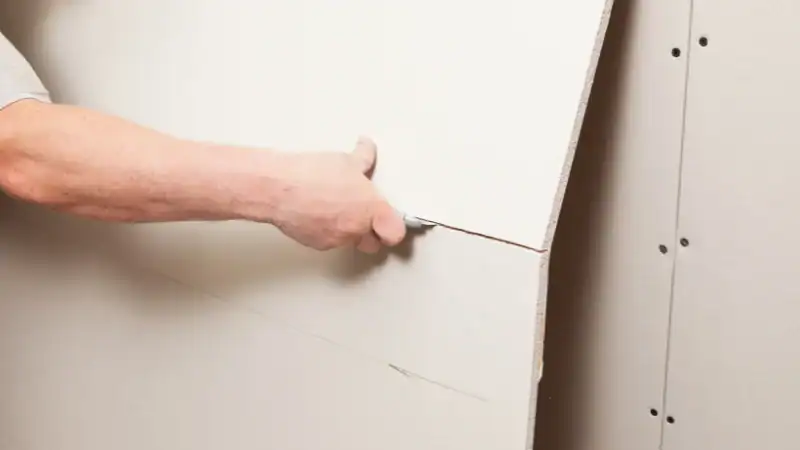
Apply firm, steady pressure as you score — one deep pass is better than three light ones. Once scored, lift the sheet slightly and snap it away from you. The gypsum will break clean along the line. Finish by cutting the back paper with your utility knife.
Keeping Your Blades Sharp
A dull blade is the number one cause of ragged edges. Utility knife blades are cheap — snap off the dull segment or swap the blade after every few cuts. For jab saws and rotary bits, replace them when you notice the tool requiring more pressure to cut through the material.
Tools to Avoid (And Why)
- Circular saw — cuts fast but throws gypsum dust everywhere and is difficult to control for accurate cuts on drywall sheets
- Angle grinder — too aggressive; it removes material unpredictably and creates a huge mess
- Regular wood saw — the tooth design isn’t suited for gypsum; it clogs and tears the paper facing
- Track saw — overkill for drywall and not designed to accommodate the material’s softness
These tools aren’t wrong for every job, but they’re not appropriate choices when better, purpose-built options exist.
Frequently Asked Questions
What’s the easiest tool for a beginner?
The utility knife is the best starting point. It’s low cost, easy to control, and handles the majority of straight cuts on any DIY drywall project. Once you’re comfortable with scoring and snapping, add a jab saw for hole cuts.
How do I cut a circle in drywall?
For small circles, use a hole saw attached to a drill — it cuts a clean, precise circle in one pass. For larger round openings like circular light fixtures or HVAC vents, a rotary/spiral saw with a circle-cutting guide is the fastest and most accurate method.
How to cut drywall without dust?
You can’t eliminate dust completely, but you can reduce it by 90%.
- Score and snap (instead of sawing). This creates almost no dust.
- Use a drywall cutter or electric shear – these tools shave a thin line instead of grinding dust.
- For sawing holes: put a vacuum hose right next to the blade, or use a dust-collection attachment on an oscillating tool.