Cutting cleanly in 2026 isn’t just about buying the “best electric” tool or the highest cutting speed on paper—it’s about matching the type of electric saw to the job, your power source (corded and cordless), and the size of material you’ll tackle (from trimming to cutting larger branches).
Below is a practical, tool-for-the-job guide to the best power saw categories—plus a short list of strong models in each class.
1) Chainsaws (best for cutting wood fast, logs, and storm cleanup)
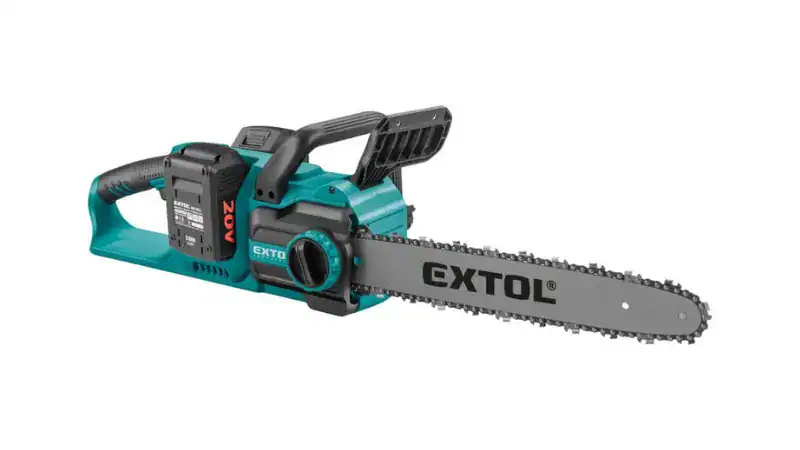
If you’re clearing fallen limbs, bucking log rounds, or routinely cutting branches thicker than what a pole saw should handle, a chainsaw is the high-power answer. In 2026, battery-powered chainsaws keep getting better (often brushless), while gas-powered options still win for long runtimes and raw cutting power on big jobs. Corded electric chainsaws can be a good choice if you’re always near a power outlet and want low maintenance.
What to look for: bar length matched to your typical diameter, safety features (chain brake), good ergonomics, and easy tensioning/locking mechanism.
Recommended models (2026):
- Ryobi RY40580 HP 18-inch brushless battery chainsaw (often cited as a top electric pick)
- Worx WG385 Nitro Power Share 16-inch (value-focused electric option)
- Consumer Reports “best chainsaws” picks across gas, battery, and corded categories (model list varies by year and testing)
- Better Homes & Gardens tested-pick lists (includes battery and corded options; specific models vary)
2) Pole saws (best for high branches and pruning without a ladder)
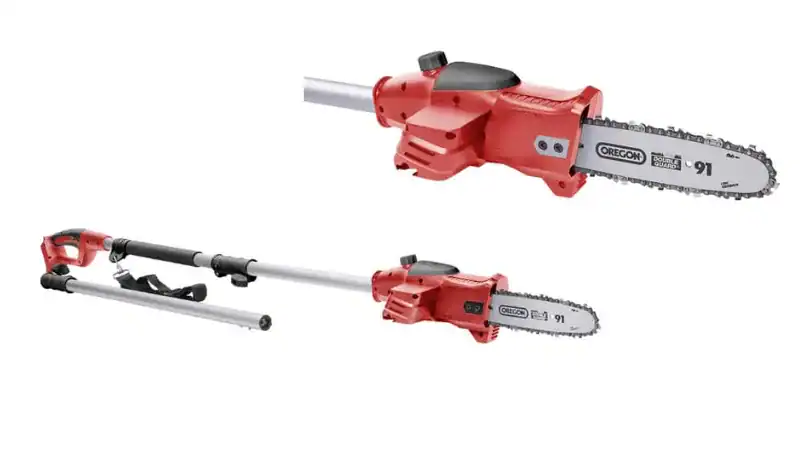
Pole saws are the “gardener’s saw you need” when you’re pruning high branches safely. They trade a little cutting capacity for reach and control—ideal for regular pruning rather than heavy removal. In 2026, the sweet spot is often a cordless system if you already own a battery platform (e.g., M18), though pros still rely on gas or higher-end battery systems for all-day work.
What to look for: reach length (some approach a 10-foot feel in practical use), head angle options, stable pole rigidity, and whether the tool is better suited for larger branches or light trimming.
Recommended models (2026):
- Stihl HTA 135 (noted as a top electric pole saw pick in testing)
- Stihl HT 56 CE (noted as a top gas pole saw pick)
- Milwaukee M18 FUEL QUIK-LOK pole saw attachment/system (best-value style pick in some testing)
- Ryobi 18V pole saw (appears in homeowner-vote style rankings)
- Husqvarna 525P4S (appears in ranking lists for pros/homeowners)
3) Cordless circular saws (best “power saw” for sheet goods and framing cuts)
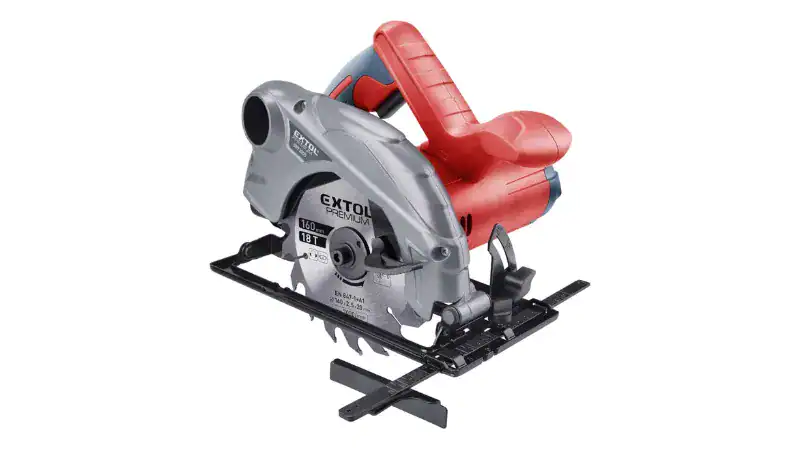
For DIY and home improvement projects—decking, plywood, OSB, and general construction—nothing beats a circular saw for straight cuts and speed. Cordless is now mainstream: you get mobility without tripping over a cord, and modern saws bring strong cutting power, especially on higher-voltage battery lines.
What to look for: blade size, bevel/angle range, shoe stiffness, dust management, and comfortable ergonomics.
Recommended models (2026):
- Milwaukee M18 FUEL 2732 (frequently cited as an overall best cordless circular saw)
- DeWalt DCS391B (noted as a solid cordless option with good cutting power and comfort)
- TechGearLab’s top-ranked circular saw selections (list varies with updates)
- Pro Tool Reviews’ cordless circular saw leaderboards (updated as new models appear)
- For compact needs, “mini/compact” lists can help if you prioritize small size over max depth (verify capacity carefully)
4) Reciprocating saws (best for demolition, pruning, and awkward cuts)
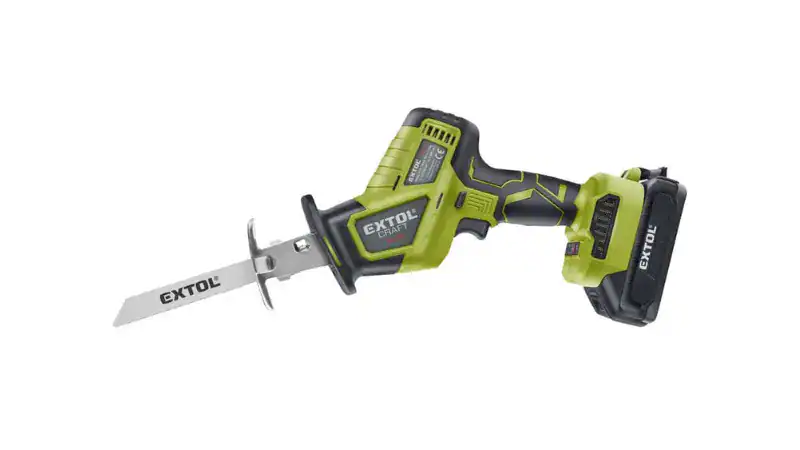
A reciprocating saw is the problem-solver for demolition and rough cuts—especially when you’re cutting tasks like nails-in-wood, old framing, or garden pruning with the right blade. It’s not about finesse; it’s about getting through material securely and quickly when a circular saw can’t fit.
What to look for: stroke length, vibration control, tool-less blade clamp/locking mechanism, and whether you need corded torque or cordless convenience.
Recommended models (2026):
- Pro Tool Reviews’ top corded picks (their tests highlight a Skilsaw “Buzzkill” 15-amp model for performance/value in some comparisons)
- Reviewed’s reciprocating saw testing summaries (often includes Milwaukee among top performers)
- DeWalt DWE305 (commonly included in “best corded” shortlists)
- Milwaukee and Porter-Cable are highlighted in some test roundups (model specifics depend on updates)
5) Miter saws (best for accurate crosscuts, trim, and repeatable angles)
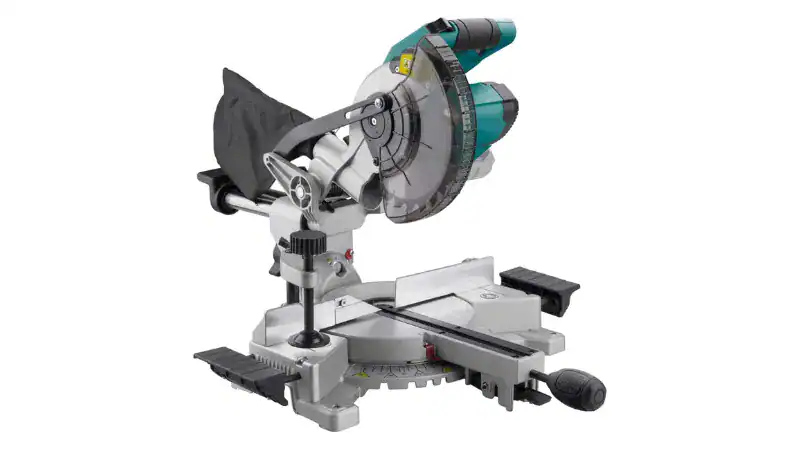
If your work involves baseboards, trim, framing crosscuts, or repeatable angled cuts, a miter saw is the accuracy king. It’s the best choice for consistent results, especially when you’re doing lots of cuts and care about a strong overall score: clean cut quality, easy adjustments, and durability.
What to look for: single vs double bevel, sliding vs non-sliding, angle detents that hold tight, and dust collection.
Recommended models (2026):
- Bosch GCM12SD (often highlighted as a top pick; known for its glide system style)
- TechGearLab’s leading miter saw performers (commonly include DeWalt and Bosch among top performers)
- DeWalt 12-inch double bevel models appear in lab-tested roundups (exact model varies by update cycle)
- Metabo HPT 10-inch compound models appear in top lists (varies by roundup)
Frequently Asked Questions
What is the best type of saw for general yard work in 2026?
For most homeowners, a cordless pole saw handles routine pruning, while a battery-powered chainsaw covers heavier limb removal. When shopping the saws of 2026, think about the job first. Prioritize an ergonomic handle, adjustable cutting depth, and a high-quality blade.
Are battery-powered chainsaws as good as gas in 2026?
Brushless battery chainsaws have closed the gap significantly. For most homeowners doing storm cleanup, bucking rounds, or clearing fallen limbs, a modern 40V or higher brushless chainsaw delivers more than enough power. Gas still wins for professional-grade, all-day runtime on large acreage. If you’re not running a saw for hours continuously, battery is now a genuinely practical and low-maintenance choice.
How can I tell if a saw is high-quality before buying?
High-quality saws usually have durable housings, precise machining, and reliable motors. Check reviews for consistent performance, look for solid warranties, and inspect couplings and locking mechanism for play. When comparing saws, prioritize brands with proven testing and service networks to choose the best long-term power tool.
Is a miter saw worth buying for DIY home projects?
Absolutely, if you regularly cut trim, baseboards, framing lumber, or deck boards. A miter saw delivers repeatable, accurate crosscuts that are very hard to match with a circular saw freehand. A 10-inch compound miter saw covers most homeowner needs without taking up excessive space. Models from Bosch and DeWalt consistently appear in top-tested roundups for accuracy and durability.