An impact driver and an impact wrench might look like close relatives sitting side by side on a shelf, but honestly, they’re built for totally different jobs. Impact drivers are for screws with hex-shank bits. Impact wrenches? Those handle nuts and bolts using sockets on a square drive. That one difference clears up most of the confusion people have when they’re standing in the tool aisle.This guide breaks down the torque specifications,Speed and Efficiency,and some real-world scenarios, so by the end, picking the right tool should feel pretty straightforward.
Understanding Impact Tools
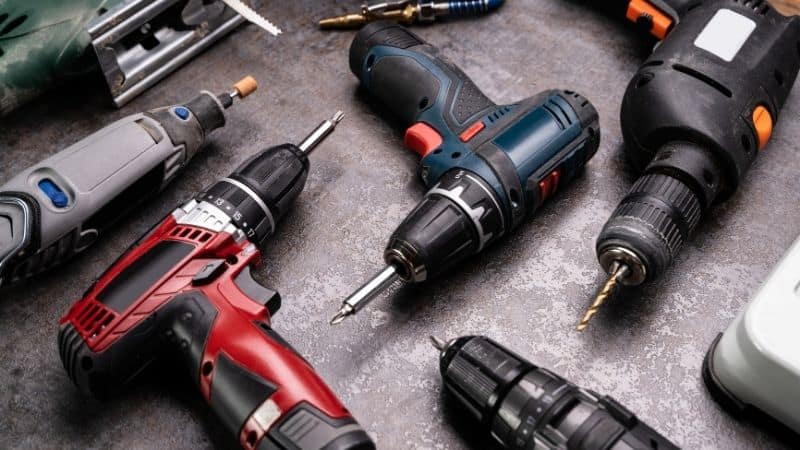
Impact tools are a category of power tools specifically engineered to provide a high amount of rotational force, often accompanied by percussive blows, to tighten or loosen fasteners. Unlike a standard drill, which delivers continuous rotational torque, impact tools utilize a hammer-and-anvil mechanism to deliver short, powerful bursts of rotational impact, making them exceptionally effective at driving screws or breaking free stubborn bolts. This unique mechanism allows them to apply significant torque output without causing the tool itself to twist violently in the user’s hand, enhancing control and safety during high-torque applications. Understanding this fundamental principle is key to appreciating the distinct roles of the impact wrench vs. impact driver.
What is an Impact Wrench?
An impact wrench is a robust power tool specifically designed to deliver a very high torque output, primarily for fastening or loosening large bolts and nuts. It employs a square drive anvil, typically 1/2-inch, 3/4-inch, or 1-inch, to attach impact sockets, driven by an impact mechanism that generates quick, concussive rotational bursts. These tools excel in scenarios requiring significant rotational force, such as automotive work, removing lug nuts from vehicle wheels, or working with large fasteners in construction. Available as cordless impact wrenches, pneumatic impact wrenches (also known as air impact wrenches), and corded electric models, the impact wrench is the right tool when sheer power and high torque are paramount for breaking free stubborn nuts and bolts or securely tightening them.
What is an Impact Driver?
An impact driver is a versatile cordless tool that also delivers high rotational force with intermittent impacts, but it is primarily designed for driving screws and smaller fasteners. Unlike the impact wrench, it features a 1/4-inch hex collet that accepts various hex-shank driver bits, including screwdriver bits, nut drivers, and even small drill bits. The impact driver makes quick work of tasks like driving long screws into dense materials or repetitive fastening applications where a standard drill might cam out or struggle. Its lighter weight and more compact impact design make it exceptionally maneuverable, making it an excellent choice for general construction, decking, cabinetry, and other applications where high torque is needed for screws but not the extreme power of an impact wrench.
Differences Between Impact Driver and Impact Wrench
| Feature | Impact Driver | Impact Wrench |
|---|---|---|
| Drive Type | Hex collet (1/4″) | Square drive (3/8″ or 1/2″) |
| Fasteners | Screws, small lag bolts | Nuts, bolts, lug nuts, large lag bolts |
| Torque Output | Lower (inch-pounds) | Higher (foot-pounds) |
| Speed (RPM) | Higher | Lower |
| Size/Weight | Compact, lighter | Bulkier, heavier |
| Common Uses | Woodworking, assembly, home repair | Automotive, heavy equipment, construction |
Comparing Performance
Torque Specifications
When comparing an impact wrench vs. impact driver, understanding their torque specifications is crucial for choosing the right tool. An impact wrench is engineered to deliver significantly higher torque, often ranging from 150 to over 1,000 foot-pounds, such as the electric impact wrench, delivering the torque needed for heavy-duty tasks like loosening lug nuts or tightening large bolts in automotive work. This high torque output is essential for breaking free stuck nuts and bolts that a standard drill or even an impact driver couldn’t budge. Conversely, an impact driver typically offers more modest torque, usually between 100 to 200 foot-pounds, which is perfectly suited for driving screws and smaller fasteners without over-tightening or stripping them. The difference in torque reflects their distinct primary applications: raw power for the impact wrench versus controlled fastening for the impact driver.
Speed and Efficiency
The speed and efficiency of an impact wrench and impact driver are tailored to their respective functions. An impact driver excels in speed when driving screws, thanks to its rapid impacts and quick rotational force, allowing it to drive long fasteners into various materials with remarkable efficiency. This makes it an invaluable cordless tool for repetitive tasks in construction or woodworking. While an impact wrench might appear slower due to its lower RPMs, its efficiency lies in its ability to quickly apply immense torque to loosen or tighten large bolts. For instance, in automotive work, a pneumatic impact wrench or a high-power cordless impact wrench can remove multiple lug nuts from a vehicle wheel in a matter of seconds, a task that would be incredibly time-consuming and difficult with any other power tool.
Impact Driver vs Impact Wrench: Which Delivers More Power?
When it comes to sheer power, the impact wrench unequivocally delivers more. Designed for heavy-duty applications, an impact wrench, particularly a pneumatic impact wrench or a high-end cordless impact model, is built to generate the extreme torque output necessary to loosen severely tightened bolts, such as those found on truck tires or heavy machinery. Its robust hammer and anvil mechanism is engineered for this purpose, providing powerful rotational force to overcome significant resistance. While an impact driver offers substantial power for driving screws and small fasteners, it cannot match the brute strength of an impact wrench. Therefore, if your task involves breaking free stubborn nuts and bolts or tightening large fasteners to high specifications, the impact wrench is the right tool that delivers the necessary power.
Choosing the Right Tool for Your Needs
Choosing between an impact wrench and an impact driver ultimately depends on the specific demands of your project. Both are invaluable impact tools, but their design and capabilities are optimized for distinct applications. Understanding the difference between an impact driver and an impact wrench is key to selecting the right tool, preventing frustration, and ensuring efficient work. If you need to loosen stubborn nuts and bolts or require significant torque for automotive work, an impact wrench is the clear choice. For driving screws and smaller fasteners, especially in repetitive tasks, the impact driver makes quick work and is the preferred cordless tool. Consider the material, fastener size, and required torque output before making your decision.
Home Use Considerations
For most home users, an impact driver will prove to be the more versatile and frequently used cordless tool. Its ability to drive screws quickly and efficiently into various materials, from decking to assembling furniture, makes it an indispensable addition to any DIY toolkit. While an impact wrench might occasionally be useful for tasks like removing lug nuts to change a tire, its high torque is often overkill for typical household projects. If you find yourself frequently performing automotive work or tackling large construction projects, then investing in both an impact driver and an impact wrench might be justified. Otherwise, an impact driver offers a wide range of utility for the average homeowner.
Using an Impact Driver vs Using an Impact Wrench
The choice between using an impact driver vs. using an impact wrench is dictated by the type of fastener and the required torque. For driving screws, whether long deck screws or small cabinet screws, an impact driver is the appropriate tool. Its hex collet accepts driver bits, and its controlled rotational force, coupled with impacts, prevents stripping and makes fastening efficient. Conversely, when dealing with nuts and bolts, especially those that are rusted, overtightened, or require significant tightening, an impact wrench is essential. It utilizes impact sockets on its square drive to apply the high torque necessary to loosen or tighten these robust fasteners, making it indispensable for tasks like automotive repair.
Choosing the Right Tool for Specific Tasks
When selecting the right tool for specific tasks, consider the nature of the job. For automotive work, particularly removing lug nuts or other large bolts, an impact wrench, whether a pneumatic impact wrench or a powerful cordless impact model, is the undeniable choice due to its high torque output. For driving screws into wood, metal, or drywall, an impact driver excels. Its compact size and controlled power make it ideal for tasks ranging from fence building to cabinetry. If you frequently encounter both scenarios, a combination of both an impact driver and an impact wrench would provide the most comprehensive solution, ensuring you always have the appropriate power tool for any fastening or loosening challenge.
Applications of Impact Tools
Common Uses for Impact Wrenches
An impact wrench is an indispensable power tool in scenarios demanding high torque output, primarily for fastening or loosening robust nuts and bolts. Its most common applications are found in automotive work, where it excels at removing lug nuts from vehicle wheels, making tire changes and brake repairs significantly faster and less strenuous. Beyond the garage, impact wrenches are vital in heavy machinery maintenance, construction, and any industrial setting where large fasteners need to be securely tightened or broken free. The sheer rotational force and high torque capabilities of a pneumatic impact wrench or a high-end cordless impact wrench ensure that even the most stubborn bolts can be managed efficiently, solidifying its role as the right tool for heavy-duty tasks.
When to Use an Impact Driver
The impact driver shines in applications requiring the swift and efficient driving of screws and smaller fasteners, offering a distinct advantage over a standard drill. This versatile cordless tool is ideal for repetitive fastening tasks in woodworking, decking, cabinetry, and general construction. When you need to drive long screws into dense materials like hardwood or multiple fasteners into drywall, the impact driver makes quick work of these tasks, preventing cam-out and reducing user fatigue. Its compact size and controlled rotational force, coupled with intermittent impacts, make it the right tool for precision and speed when working with hex-shank driver bits, ensuring fasteners are driven securely without stripping.
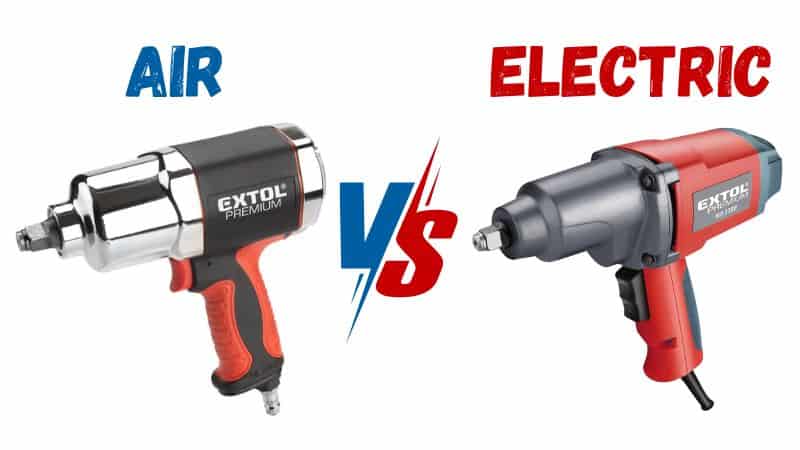
Air Impact Wrench vs Electric Impact Driver
The choice between an air impact wrench and an electric impact driver largely depends on the specific power source available and the torque requirements of the task. An air impact wrench, also known as a pneumatic impact wrench, typically offers superior high torque output and sustained power for continuous, heavy-duty applications, making it a staple in professional automotive work and industrial settings where an air compressor is readily available. In contrast, an electric impact driver, particularly a cordless impact driver, provides unmatched portability and convenience. While electric impact drivers usually offer lower torque compared to their pneumatic counterparts, they are more than sufficient for driving screws and lighter fastening tasks, making the cordless tool a versatile and accessible option for many tradespeople.
Find the Right Tool for the Job
Whether the task calls for driving fasteners or breaking loose stubborn bolts, matching the tool to the fastener — not just the torque number on the box — makes the difference between a quick job and a stripped screw or a damaged tool.
Browse EXTOL’s power tools range, or request a wholesale quote to talk through which tools fit your product line.
FAQ
What is the difference between an impact wrench and an impact driver?
Impact drivers use a hex collet and drive screws with hex-shank bits. Impact wrenches have a square drive and turn sockets for nuts and bolts. Wrenches pack more torque (in foot-pounds), while drivers are lighter and measured in inch-pounds. So, they’re made for different jobs and aren’t really interchangeable.
Can an impact driver be used to remove and install lug nuts?
You might get lucky with small or lightly torqued lug nuts, but honestly, most impact drivers just don’t have the muscle for standard vehicle lug nuts. That’s what impact wrenches are built for. Using a driver risks leaving nuts too loose—or just getting stuck.
Is an impact wrench more powerful than an impact driver?
Yep, impact wrenches are way more powerful. They’re designed for heavy-duty jobs like lug nuts and big bolts. That extra power comes with more weight and size, though, so it’s a trade-off.
Can an impact driver replace a torque wrench?
Honestly? Not really. An impact driver just isn’t built for precise torque settings. It gives quick, powerful bursts instead of a controlled, steady force. If you’re working with critical fasteners—think car wheels or anything structural—you’ll want to do a final check with a torque wrench. That way, you know for sure everything’s tightened to the right, safe spec. It’s a little extra work, but worth it for peace of mind.