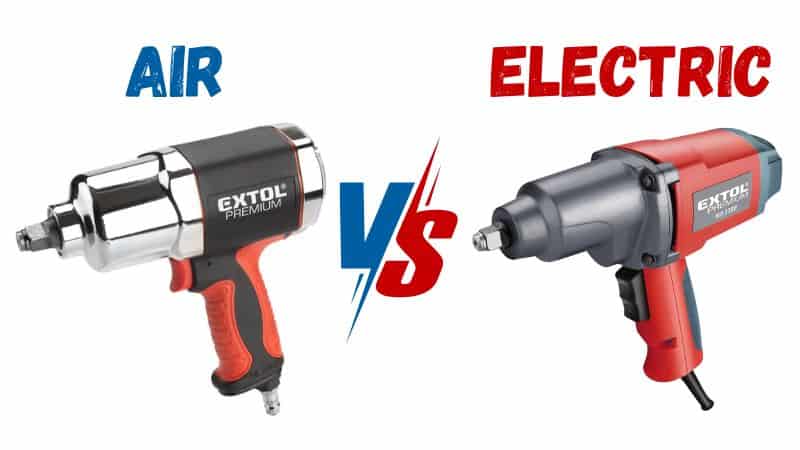
A compressor kicks on, fills the tank, shuts off, then kicks back on two minutes later. That cycle repeats all day in most home garages and shops. Nobody thinks much about it until an impact wrench starts losing power halfway through a job, or a nail gun stutters between shots.
The usual assumption is that a bigger tank fixes the problem. Sometimes it does. Often it does not.
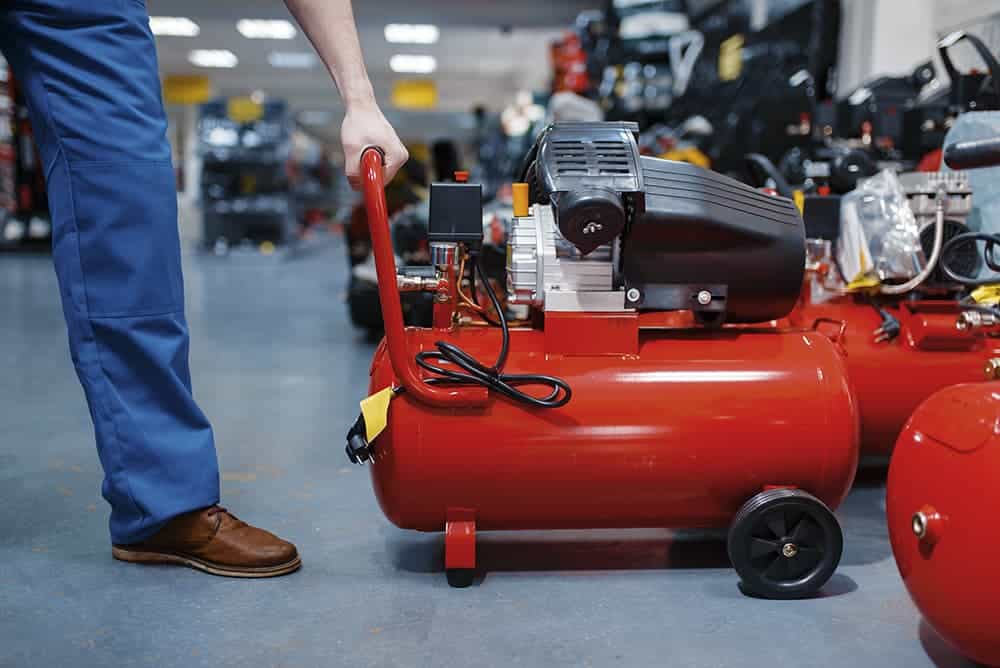
Air compressor tank size controls how much compressed air is stored and ready to use at any given moment. It does not change how much air the compressor can actually produce. A larger tank extends runtime and cuts down on cycling, but it cannot make up for a compressor that doesn’t produce enough airflow in the first place. Getting this distinction right is the difference between pneumatic tools that run smoothly and ones that stall out under load.
This guide breaks down how tank storage, airflow, and pressure work together, how to calculate the right capacity for specific tools, and how to match a tank to the right compressor type. Extol’s tool range includes options across these categories, and its support team can help sort through the specs before a buying decision gets made.
Understand Storage, Airflow, And Pressure
Three numbers matter on any compressor spec sheet: tank capacity, CFM, and PSI. Each one does a different job, and mixing them up is the most common sizing mistake.
What an Air Receiver Does
The air receiver tank is just a pressurized storage vessel. It holds compressed air the compressor has already made.
Think of it like a water tower. The pump fills it, gravity (or in this case, pressure) lets water flow out fast when a faucet opens. The tank doesn’t create water, it just stores what’s already been pumped.
When a tool pulls air, it draws from the tank first, not directly from the compressor pump. That buffer smooths out sudden demand spikes and keeps pressure more stable during short bursts.
CFM, SCFM, And Compressor Output
CFM stands for cubic feet per minute. It measures how much air the compressor can actually produce, continuously, at a given pressure.
SCFM (standard cubic feet per minute) is CFM adjusted for standard atmospheric conditions, so numbers can be compared fairly across different compressors. Compressor output is the real limiting factor for any tool that runs continuously, like a sander or spray gun.
A tool’s CFM requirement has to be lower than the compressor’s CFM output, or the tool will run out of air no matter how big the tank is.
PSI, Working Pressure, And the Pressure Band
PSI measures pressure, not volume. Working pressure is what a tool actually needs to operate correctly, usually printed right on the tool.
The pressure band is the range between cut-in pressure (when the pump restarts) and cut-out pressure (when it shuts off). A wider band means the tank stores more usable air before the pump has to kick back on.
Why Bigger Storage Does Not Create More Airflow
A bigger tank means longer runtime between compressor cycles. It does not raise CFM output or let a compressor keep up with a tool that demands more air than the pump makes.
This is where a lot of buyers get tripped up. Pairing a huge tank with an undersized pump just delays the pressure drop, it doesn’t prevent it.
Calculate the Storage Capacity You Need
Sizing a tank starts with knowing actual air demand, not guessing. That means listing tools, checking their CFM ratings, and deciding how much buffer time is realistic before the pump needs to restart.
List Tool Demand And Simultaneous Use
Every air tool has a CFM rating, usually listed at 90 PSI. Write down the CFM for each tool likely to run in the shop.
If two tools might run at once, like a die grinder and a blow gun, add their CFM figures together. That combined number is the real peak demand the compressor and tank need to support.
Set the Usable Cut-In and Cut-Out Range
The pressure switch controls cut-in and cut-out points. A common setup is 95 PSI cut-in and 125 PSI cut-out, giving a 30 PSI usable band.
A wider band stores more usable air per gallon. A narrow band, like 130 cut-in to 150 cut-out, only offers 20 PSI of usable range even on a larger tank.
Apply the Receiver Tank Sizing Formula
For a precise number, engineers use this formula:
V = (Q × P_atm × t) / (P_max − P_min)
- V = required tank volume in cubic feet
- Q = compressor output in CFM
- P_atm = atmospheric pressure (14.7 PSI)
- t = minutes the tank should supply air before the pump restarts
- P_max = max tank pressure, absolute (gauge + 14.7)
- P_min = minimum acceptable pressure, absolute (gauge + 14.7)
Multiply cubic feet by 7.48 to get gallons.
Example: A 10 CFM compressor, 125 PSI max, 100 PSI minimum, targeting 1 minute of buffer:
V = (10 × 14.7 × 1) / (139.7 − 114.7) = 5.88 cubic feet → 43.9 gallons → round up to a 60-gallon tank.
That works out to roughly 4.4 gallons per CFM, right in line with the standard rule of thumb of 4 to 6 gallons per CFM for shop-level reciprocating compressors.
Add Runtime, Leakage, And Growth Allowance
Real shops have leaks. Fittings loosen, hoses age, quick-connects wear out. Build in a safety margin of 10 to 20 percent above the calculated minimum.
Future tool purchases matter too. Sizing a little larger now avoids replacing the whole setup later when a new tool needs more air than the current tank was built for.
Choose Capacity by Tool and Job Type
Tool type matters as much as CFM when picking a tank. A tool that fires in short bursts behaves very differently than one that pulls air nonstop.
Table: Typical Tool Demand and Recommended Gallon Ranges
| Application | Typical CFM Need | Recommended Tank Size |
|---|---|---|
| Tire inflation, blow guns | 1–3 CFM | 6–15 gallons |
| Finish nailers, brad nailers | 2–4 CFM | 6–15 gallons |
| Framing nailers (intermittent) | 4–5 CFM | 20–30 gallons |
| Roofing nailers (multi-gun) | 6–10 CFM | 30–60 gallons |
| Impact wrenches (auto repair) | 5–8 CFM | 30–60 gallons |
| Air ratchets, die grinders | 4–6 CFM | 30–60 gallons |
| HVLP spray painting (auto body) | 10–18 CFM | 60–80 gallons |
| Sandblasting (pressure pot) | 25–100+ CFM | 80+ gallons |
| Multi-tool shop (simultaneous use) | 15–30 CFM | 80–120 gallons |
CFM values measured at 90 PSI. Actual needs vary by tool model and pressure setting.
Light-Duty Inflation, Cleaning, And Finish Work
Tire inflators, blow guns, and finish nailers use short bursts of air with long pauses between. A 6-gallon pancake compressor handles these fine because the tank fully recovers between uses.
Intermittent Construction And Automotive Tools
Framing nailers, impact wrenches, and air ratchets fire in stop-and-start patterns. A 20 to 60 gallon tank gives enough buffer so the pump isn’t restarting after every single trigger pull.
Continuous Air Use for Finishing and Surface Preparation
HVLP spray guns pull air steadily for as long as the trigger is held. That continuous draw needs both a properly sized compressor and a larger 60 to 80 gallon tank to avoid pressure sag mid-spray.
High-Demand Production and Multi-Tool Work
Sandblasting and multi-tool shops need the highest CFM and largest tanks, often 80 gallons or more. In these setups, compressor output matters even more than tank size, since a tank only buys a few extra seconds once demand outpaces the pump.
Match the Tank With the Compressor Type
Different compressor types pair naturally with different tank sizes, based on how they’re built to run and how much rest the motor needs between cycles.
Table: Portable and Stationary Compressor Setups
| Compressor Type | Typical Tank Range | Best Fit |
|---|---|---|
| Pancake/portable | 1–15 gallons | Trim work, inflation, light DIY |
| Reciprocating (single-stage) | 20–30 gallons | Home garage, occasional tool use |
| Reciprocating (two-stage) | 60–80 gallons | Automotive shops, moderate continuous use |
| Rotary screw | 80+ gallons, often with separate receiver | Production shops, continuous-duty demand |
Pancake and Portable Compressors
Pancake compressors are small, light, and built for grab-and-go jobs like trim nailing or inflating tires. Their small tanks recover quickly because the tools they pair with don’t demand much air.
Reciprocating and Two-Stage Compressors
Single-stage reciprocating compressors suit home garages running one tool at a time. Two-stage units compress air twice, reach higher pressure, and handle more demanding automotive or shop tools without excessive cycling.
Rotary Screw Systems for Sustained Demand
Rotary screw compressors run continuously rather than cycling on and off. They’re built for production environments where air demand rarely stops, and they pair with larger separate receiver tanks to smooth out short-term spikes.
Horsepower, Recovery Time, And Electrical Limits
Higher horsepower means faster tank recovery, but also higher electrical draw. A garage on a standard 15 or 20 amp circuit may not support a compressor that would otherwise be the “right” size on paper. Check electrical capacity before finalizing tank and motor size together.
Extol Tools Air Compressors
From production floors to distribution warehouses, the right air compressor keeps operations running without interruption. The Extol Tools lineup is built to serve a wide range of commercial applications — manufacturing facilities, workshops, equipment resellers, and more:
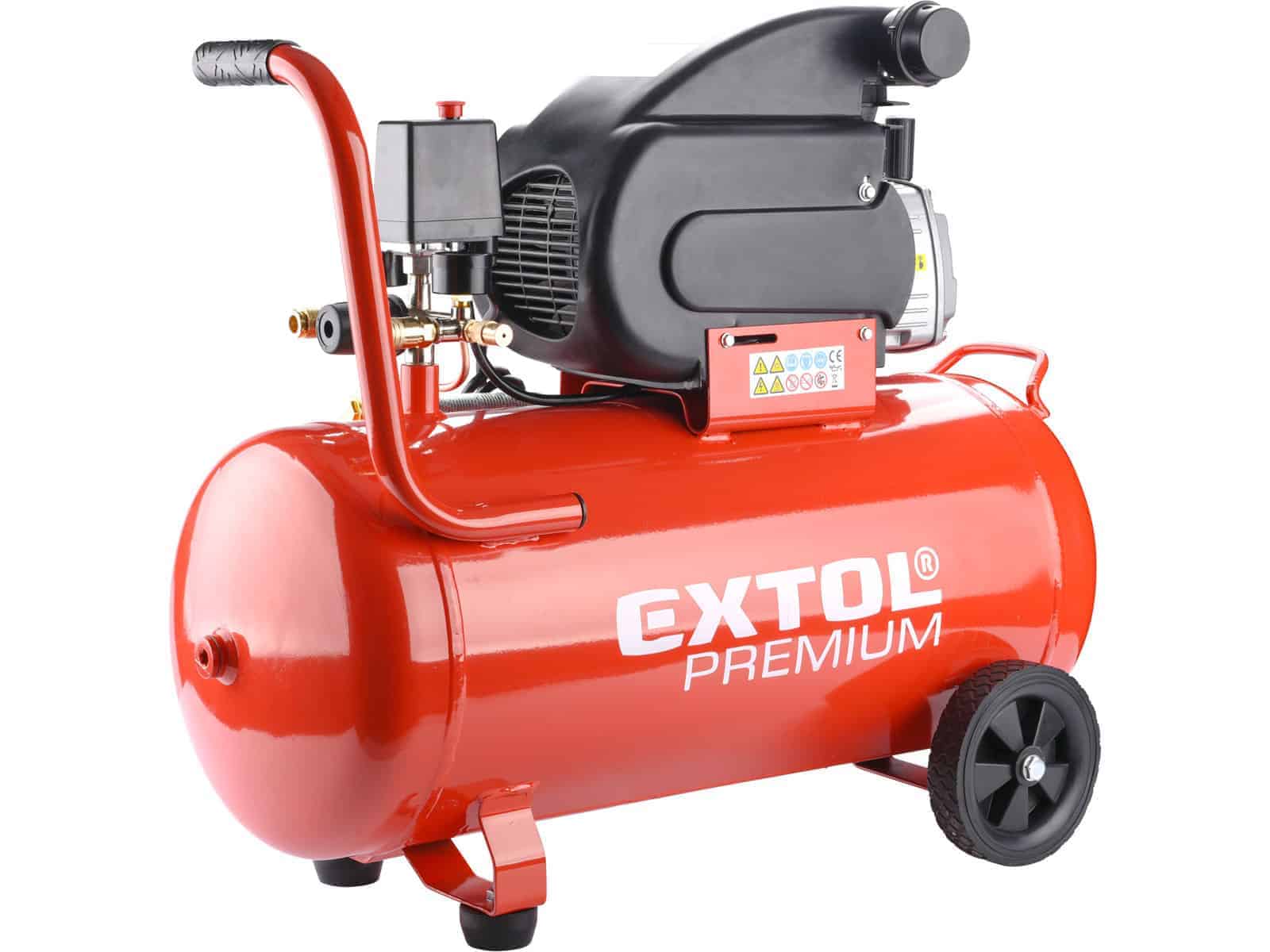
- — Delivers roughly 5.3–6.6 CFM depending on pressure, with a 50L (13.2-gallon) tank. That output range lands in the same territory as die grinders, air ratchets, and impact wrenches — tools that fire in stop-and-start patterns rather than pulling air continuously.
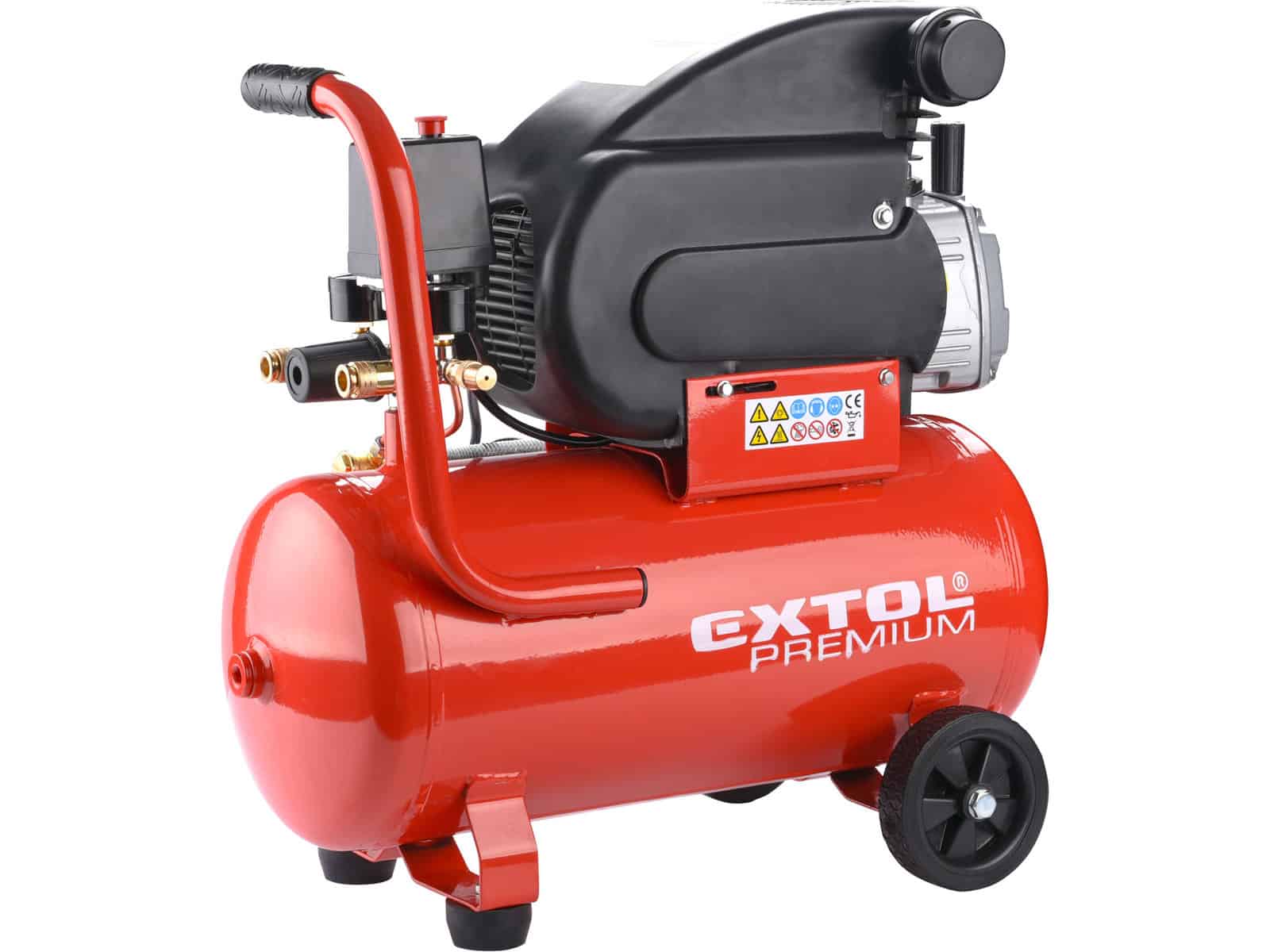
- — Outputs about 4.8–6.0 CFM, close to the 1,800W/50L model in terms of raw airflow, but with a smaller 24L (6.3-gallon) tank. It’s a good fit where floor space is tight and tools don’t need long, uninterrupted air draw — the smaller tank means more frequent pump cycling under sustained load.
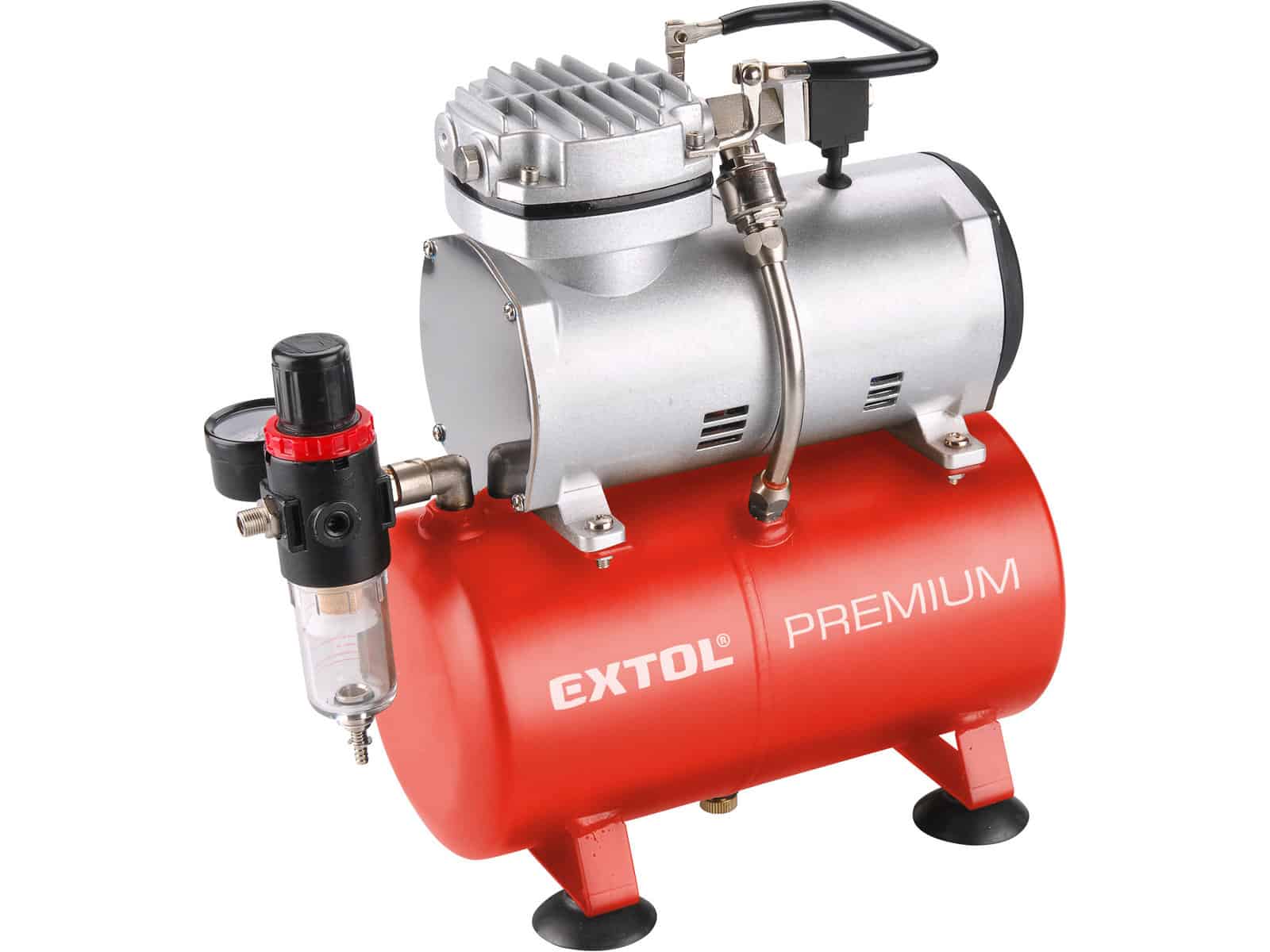
- — A 3L (0.8-gallon) tank paired with roughly 0.81 CFM output. This is a light-duty unit built for short bursts — think airbrush work, small inflation tasks, or quick blow-off jobs — not for running pneumatic tools.
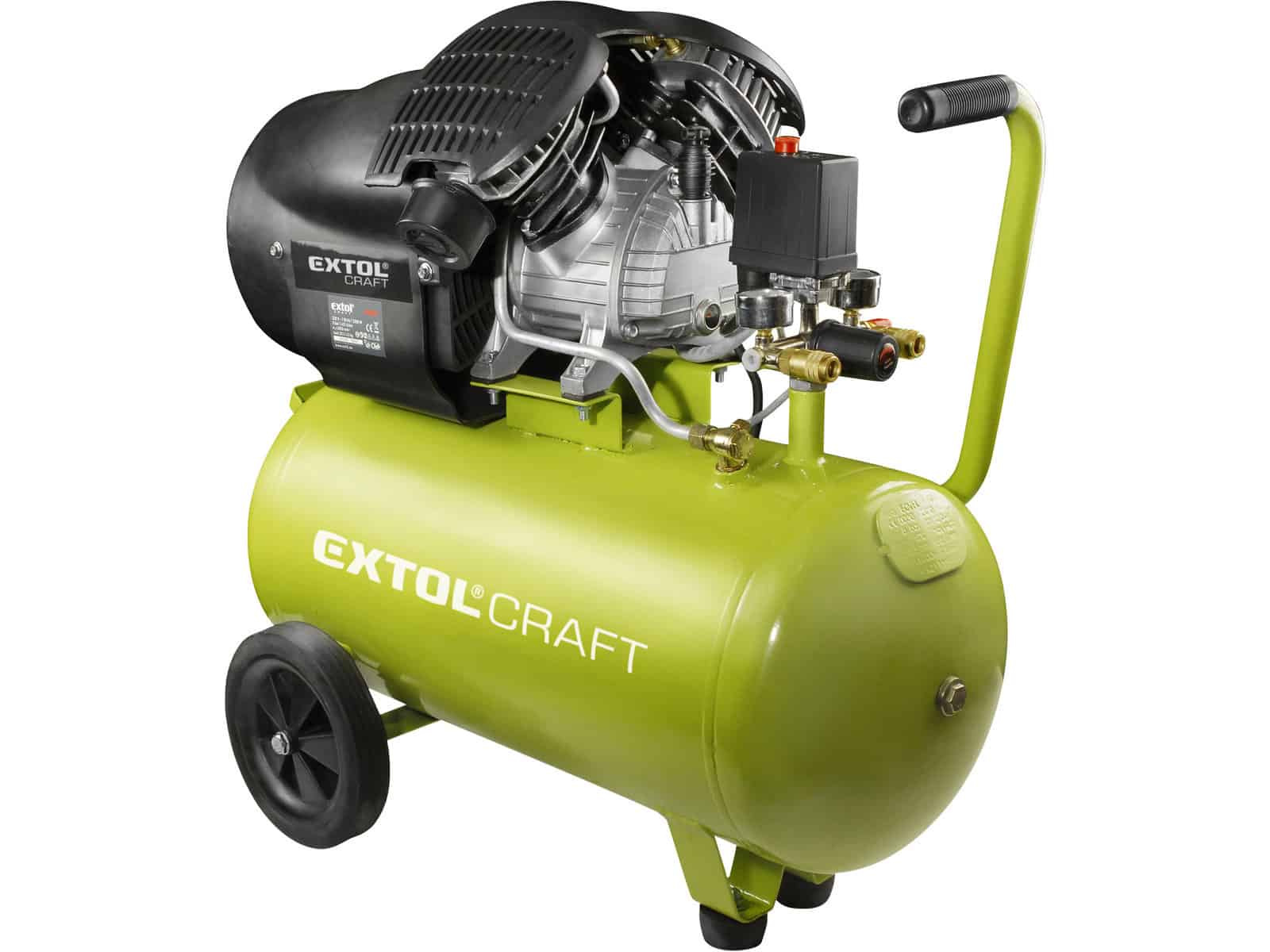
- — Built for heavy industrial workloads. Higher wattage and tank capacity support continuous, high-demand operation — a dependable choice for facilities running equipment around the clock.
Prevent Pressure Problems and Protect the System
An undersized or oversized setup shows itself through specific symptoms. Watching for these signs early prevents wasted motor life and frustrating tool performance.
Recognize an Undersized or Oversized Setup
Frequent short cycling, a motor that runs hot, or pressure that drops fast under load all point to an undersized tank or compressor. A tank that’s oversized for a small compressor just means longer fill times before first use, not a real problem.
Reduce Restriction and Pressure Loss
Kinked hoses, too-small fittings, and long hose runs all cause pressure drop between the tank and the tool. Use properly sized hoses and minimize couplers to keep pressure stable at the tool end.
Drain Moisture and Inspect the Receiver
Moisture collects at the bottom of every tank from normal compression. Open the drain valve after each use to release it, since trapped moisture causes rust and shortens tank life.
Use Pressure Relief Devices Correctly
Every tank needs a working pressure relief valve, sometimes called a safety valve. Test it periodically by pulling the ring, and never bypass or plug it, since it’s the only protection against dangerous overpressure.
Frequently Asked Questions
How do I calculate the right receiver capacity for my air compressor?
Multiply compressor CFM output by the standard rule of 4 to 6 gallons per CFM for a quick estimate. For a more exact number, use the formula V = (Q × P_atm × t) / (P_max − P_min), which factors in pressure band and desired runtime between pump cycles.
What size compressor do I need to run common air tools?
Add up the CFM of every tool that might run at the same time, then choose a compressor rated above that combined figure. Check each tool’s CFM rating at 90 PSI, since ratings vary by manufacturer and tool type.
How many litres of storage does a 20-gallon compressor provide?
A 20-gallon tank holds about 75.7 litres of air storage. That capacity suits light to moderate intermittent use, like occasional nailing or inflation tasks, but isn’t enough for continuous-draw tools like spray guns.
Is a 60-gallon unit large enough for continuous-duty tools?
A 60-gallon tank works for many continuous tools, like HVLP spray guns, as long as the compressor’s CFM output matches the tool’s steady demand. Tank size alone won’t compensate for a compressor that can’t keep up with continuous airflow needs.
How much pressure can a 5-gallon air receiver safely hold?
Most 5-gallon portable tanks are rated for 125 to 150 PSI, but the exact rating is stamped on the tank itself. Never exceed the manufacturer’s rated pressure, and always keep the pressure relief valve in working order.
What is the difference between a small and large compressor receiver?
A small receiver stores less air and cycles the pump more often, which suits light, intermittent tasks. A large receiver stores more air, cycles less frequently, and better supports tools with higher or more continuous demand.